Posté par Laëtitia Pierre, le 2 février 2014;
- Date : 7 juin 2014 - Maison Méditerranéenne des Sciences de l’Homme d’Aix-en-Provence
- Date limite : 15 février 2014
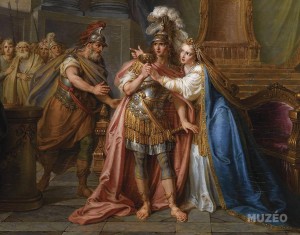 A l’occasion des vingt-cinq ans des Journées de l’Antiquité, une journée « Jeunes chercheurs » est actuellement en préparation à la Maison Méditerranéenne des Sciences de l’Homme d’Aix-en-Provence sur le thème « Cléopâtre : personnage historique, personnage littéraire ». A l’occasion des vingt-cinq ans des Journées de l’Antiquité, une journée « Jeunes chercheurs » est actuellement en préparation à la Maison Méditerranéenne des Sciences de l’Homme d’Aix-en-Provence sur le thème « Cléopâtre : personnage historique, personnage littéraire ».
Parce qu’elle bénéficie de la curiosité non démentie au fil des siècles des artistes autant que des historiens, archéologues et philologues, cette figure dominante de l’Egypte hellénistique semble offrir aux chercheurs issus de différentes formations un terrain de rencontre particulièrement riche. Cette journée d’étude est donc conçue comme un dialogue entre jeunes chercheurs venus d’horizons différents (histoire, histoire de l’art, archéologie, littératures anciennes et modernes…) et ayant pour . . . → En lire plus
Posté par Sébastien Bontemps, le 1 février 2014;
- Date et lieu : 24 mars 2014, Centre International d'Etudes Pédagogiques (CIEP), Sèvres, 24 mars 2014, Centre International d'Etudes Pédagogiques (CIEP), Sèvres, 24 mars 2014, Centre International d'Etudes Pédagogiques (CIEP), Sèvres
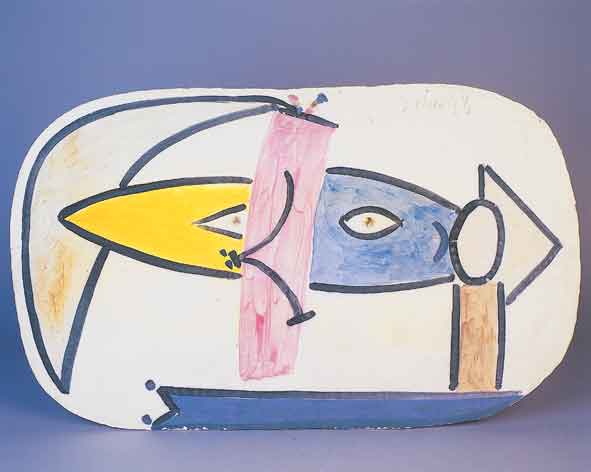
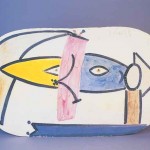 Picasso ceramiste? (Sevres, 24 Mar 14) Centre International d’Etudes Pédagogiques (CIEP), Sèvres, March 24, 2014 Dans le cadre de l’exposition Picasso céramiste et la Méditerranée à la Cité de la céramique, un colloque est organisé le lundi 24 mars 2014 sur le thème de la création céramique de l’artiste et sa reconnaissance tardive, intitulé Picasso céramiste ?. La grande diversité de la céramique de Picasso a suscité de nombreuses interprétations avec les œuvres uniques, dont le nombre total est estimé à 4 000, et les 633 séries d’éditions céramiques, dont les moules et les matrices qui ont servi à leur production, sont exposées pour la première fois dans l’exposition à la Cité. Ainsi cette exposition révèle, chez Picasso, l’autonomie de . . . → En lire plus Picasso ceramiste? (Sevres, 24 Mar 14) Centre International d’Etudes Pédagogiques (CIEP), Sèvres, March 24, 2014 Dans le cadre de l’exposition Picasso céramiste et la Méditerranée à la Cité de la céramique, un colloque est organisé le lundi 24 mars 2014 sur le thème de la création céramique de l’artiste et sa reconnaissance tardive, intitulé Picasso céramiste ?. La grande diversité de la céramique de Picasso a suscité de nombreuses interprétations avec les œuvres uniques, dont le nombre total est estimé à 4 000, et les 633 séries d’éditions céramiques, dont les moules et les matrices qui ont servi à leur production, sont exposées pour la première fois dans l’exposition à la Cité. Ainsi cette exposition révèle, chez Picasso, l’autonomie de . . . → En lire plus
Posté par Sébastien Bontemps, le 1 février 2014;
- Date limite : 3 mars 2014
- Date et lieu : 3 au 15 août 2014, Middlebury, Vermont
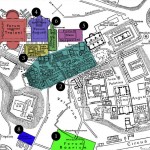 Digital Mapping and Art History (Middlebury, 3-15 Aug 14) Middlebury, Vermont, August 3 – 15, 2014 Deadline: Mar 3, 2014 Summer Institute on Digital Mapping and Art History Call for Applicants Middlebury College, Middlebury VT August 3-15, 2014 Middlebury College is pleased to invite applications for Fellows to participate in the first Summer Institute on Digital Mapping and Art History (August 3-15, 2014), generously sponsored by the Samuel H. Kress Foundation. Co-directed by Paul B. Jaskot (DePaul University) and Anne Kelly Knowles (Middlebury College), the Summer Institute will emphasize how digital mapping of art historical evidence can open up new veins of research in art history as a whole. All art historians of any rank (including graduate students, curators, . . . → En lire plus Digital Mapping and Art History (Middlebury, 3-15 Aug 14) Middlebury, Vermont, August 3 – 15, 2014 Deadline: Mar 3, 2014 Summer Institute on Digital Mapping and Art History Call for Applicants Middlebury College, Middlebury VT August 3-15, 2014 Middlebury College is pleased to invite applications for Fellows to participate in the first Summer Institute on Digital Mapping and Art History (August 3-15, 2014), generously sponsored by the Samuel H. Kress Foundation. Co-directed by Paul B. Jaskot (DePaul University) and Anne Kelly Knowles (Middlebury College), the Summer Institute will emphasize how digital mapping of art historical evidence can open up new veins of research in art history as a whole. All art historians of any rank (including graduate students, curators, . . . → En lire plus
Posté par Damien Bril, le 1 février 2014;
- Date et lieu du colloque : 8 avril 2014, Rome
- Date limite : 15 mars 2014
Roma, April 08, 2014 Deadline-CFP: 15 mars 2014
[Italian version below]
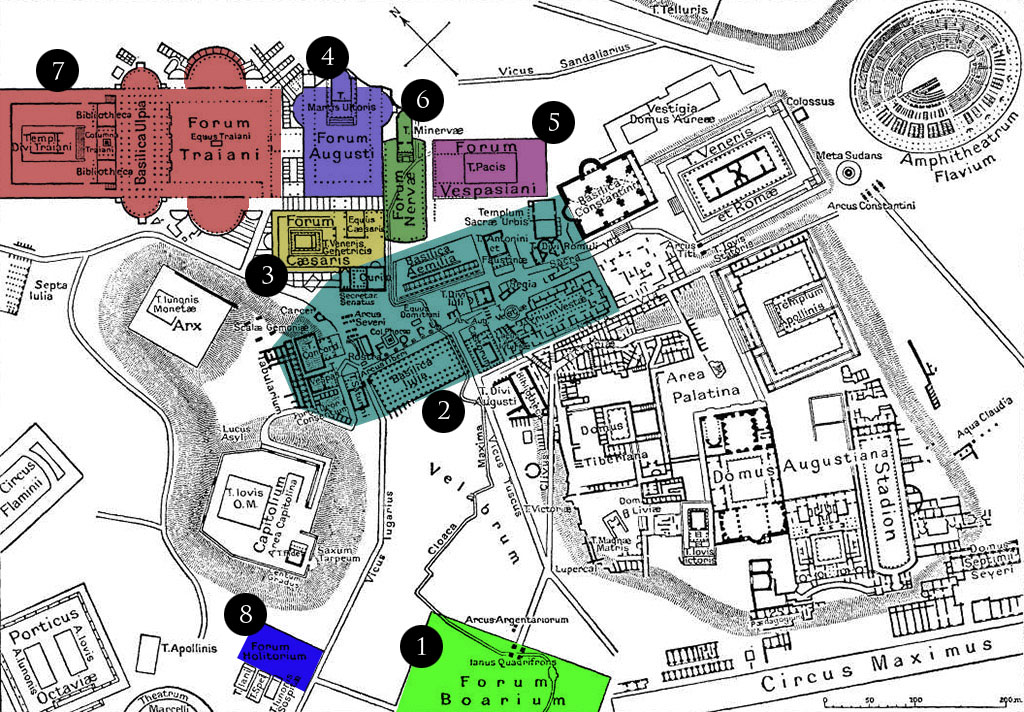
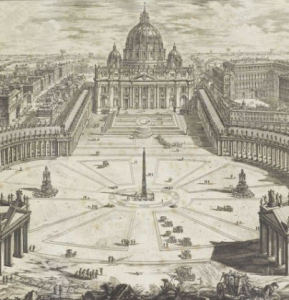 GRAND TOUR OF THE THIRD MILLENIUM (VI edition) Studies in History of Architecture by Foreign Scholars and Artists in Rome GRAND TOUR OF THE THIRD MILLENIUM (VI edition) Studies in History of Architecture by Foreign Scholars and Artists in Rome
One-day conference created by Claudia Conforti; coordinated by Giuseppe Bonaccorso Roma – Tor Vergata, Friday 8 April 2014 Deadline: 15 March 2014
Call for papers
This one-day biennial conference aims at supporting the exchange between foreign cultural Institutes and University of Rome – Tor Vergata, a traditional place for international discussion of architectural culture. Call for papers is open to foreign research fellows, PhD candidates, scholars and professors currently in Italy whose research is relative to Roman . . . → En lire plus
Posté par Damien Bril, le 1 février 2014;
- Date et lieu du séminaire : 28 juillet-6 août 2014, Los Angeles
- Date limite : 1er mars 2014
UCLA, July 28 – August 6, 2014 Deadline-CFP: 1 mars 2014
 “Beyond the Digitized Slide Library” (http://www.humanities.ucla.edu/getty/) is an eight-day summer institute to be held at the University of California, Los Angeles, July 28–August 6, 2014. Participants will learn about debates and key concepts in the digital humanities and gain hands-on experience with tools and techniques for art historical research (including data visualization, network graphs, and digital mapping). More fundamentally, the Institute will be an opportunity for participants to imagine what digital art history can be: What constitutes art historical “data”? How shall we name and classify this data? Which aspects of art historical knowledge are amenable . . . → En lire plus “Beyond the Digitized Slide Library” (http://www.humanities.ucla.edu/getty/) is an eight-day summer institute to be held at the University of California, Los Angeles, July 28–August 6, 2014. Participants will learn about debates and key concepts in the digital humanities and gain hands-on experience with tools and techniques for art historical research (including data visualization, network graphs, and digital mapping). More fundamentally, the Institute will be an opportunity for participants to imagine what digital art history can be: What constitutes art historical “data”? How shall we name and classify this data? Which aspects of art historical knowledge are amenable . . . → En lire plus
|
Équipe Rédacteur en chef : Olivier Bonfait.
Rédacteurs : Elliot Adam (Moyen Age) ; Nicolas Ballet (XX-XXIe siècles) ; Matthieu Fantoni (musées) ; Antonella Fenech Kroke (bourses) ; Vladimir Nestorov (Lettre mensuelle)
Administrateur web : Matthieu Lett.
ancien éditeur : Pascale Dubus
anciens rédacteurs : Gautier Anceau, Sébastien Bontemps, Damien Bril ; Sébastien Chauffour ; Ludovic Jouvet ; Aude Prigot
|
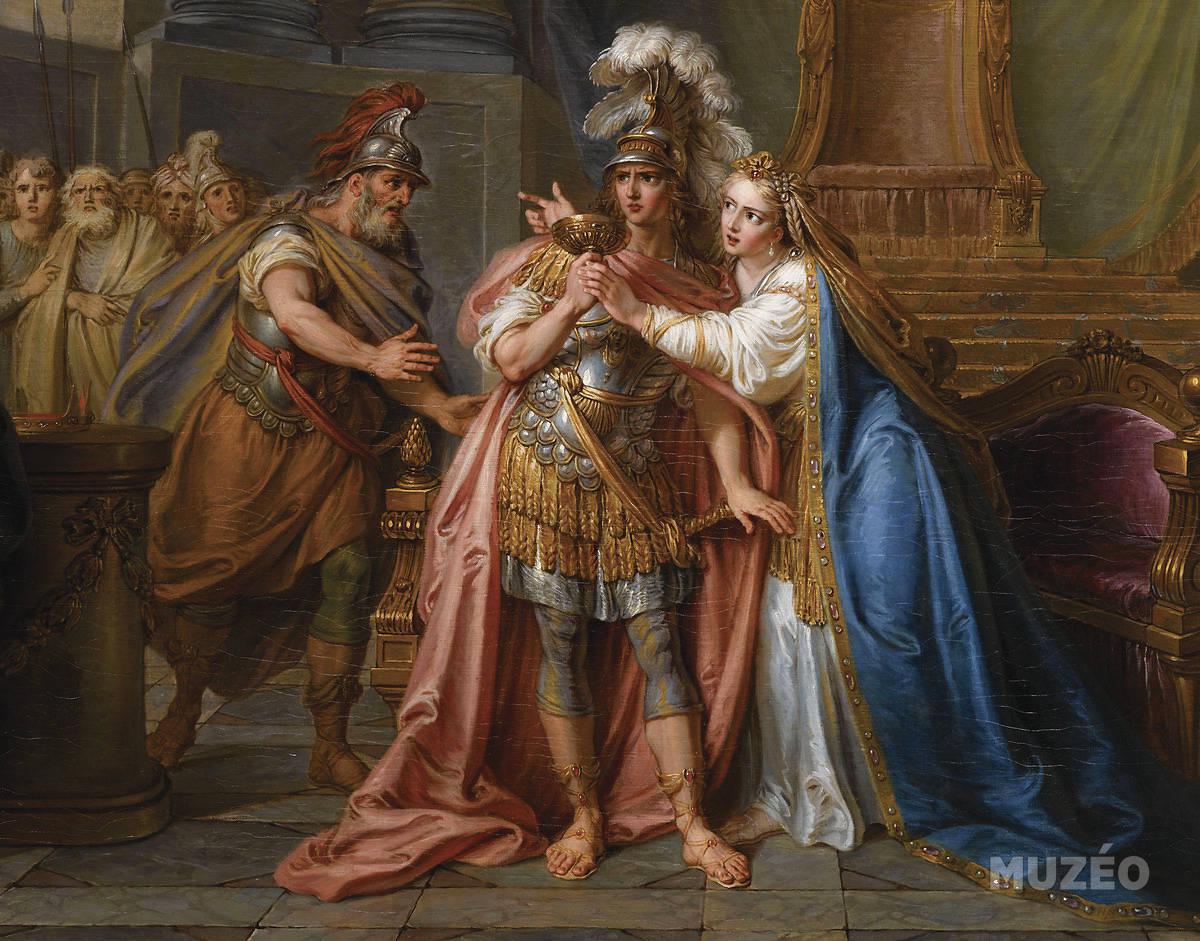 A l’occasion des vingt-cinq ans des Journées de l’Antiquité, une journée « Jeunes chercheurs » est actuellement en préparation à la Maison Méditerranéenne des Sciences de l’Homme d’Aix-en-Provence sur le thème « Cléopâtre : personnage historique, personnage littéraire ».
 Les commentaires sont clos