Posté par Aurélie Petiot, le 23 septembre 2026;
- Date limite : 23 oct. 2026
Colloque international APPEL À CONTRIBUTIONS Jean-Étienne Liotard : une approche interdisciplinaire. Identifications, découvertes récentes et chantiers en cours 3-5 février 2027

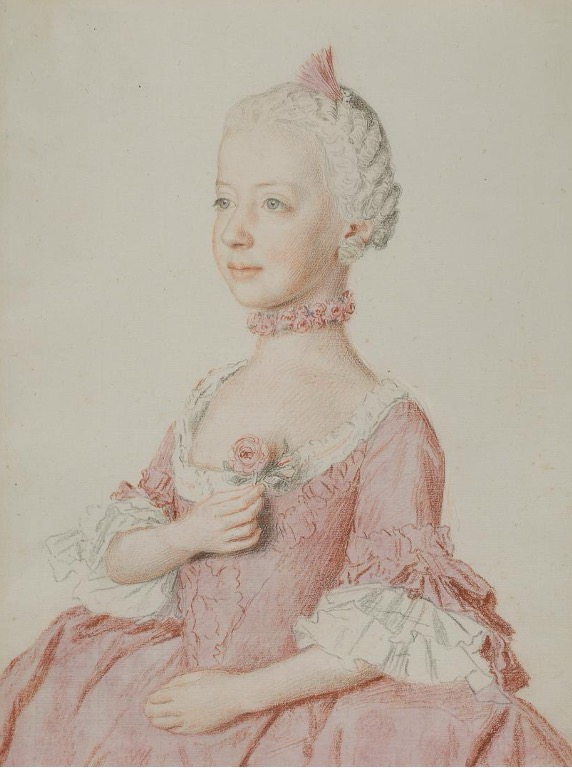
Portrait de Marie-Antoinette (1755-1793), archiduchesse d’Autriche, future reine de France, 1762, sanguine, pierre noire, graphite, lavis, sur papier vergé; rehaussé au verso, 32,2 × 24,6 cm, Dépôt de la Confédération suisse, Office fédéral de la culture, Fondation Gottfried Keller, 1947, Genève, Musée d’art et d’histoire, inv. 1947-0041.© MAH, photo : Flora Bevilacqua
Jean-Étienne Liotard : une approche interdisciplinaire. Identifications, découvertes récentes et chantiers en cours
À l’occasion de l’exposition Liotard & Marie-Antoinette. Visages sous enquête, qui se tient . . . → En lire plus
Posté par Daniele Rivoletti, le 15 septembre 2026;
- Date limite des propositions : 15 novembre 2026
 Appel à communication : « La sculpture italienne XIIIe-XVIIIe siècles, de la dispersion à la patrimonialisation (1815-1915) » (Rome, 23-24 juin 2027) Appel à communication : « La sculpture italienne XIIIe-XVIIIe siècles, de la dispersion à la patrimonialisation (1815-1915) » (Rome, 23-24 juin 2027)
Rome, École française de Rome et Académie de France à Rome – Villa Médicis, 23 et 24 juin 2027 Paris, Institut national d’histoire de l’art et École du Louvre, 11 et 12 octobre 2027
Organisation : Marion Boudon-Machuel (Institut national d’histoire de l’art/Université de Tours), Federica Carta (Technische Universität, Berlin), Giancarla Cilmi (École française de Rome), Daniele Rivoletti (Institut universitaire de France/Université Clermont Auvergne), Neville Rowley (Gemäldegalerie, Berlin ; École du Louvre, Paris)
Cliquer ici pour la version . . . → En lire plus
Posté par direction études et recherche INHA, le 15 septembre 2026;
- date limite des propositions : 15 septembre 2026
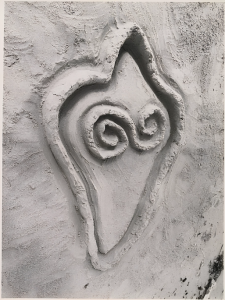 Appel à communication pour le Congrès Rotondes 2027 : Faire, défaire, refaire : le geste en histoire de l’art et archéologie (1er et 2 avril 2027, INHA) Contexte
Depuis sa première édition en 2021, Rotondes est porté par les doctorantes et doctorants de l’Institut national d’histoire de l’art (INHA) et s’est imposé comme un rendez-vous structurant pour la jeune recherche en histoire de l’art et en archéologie. Conçues comme un espace de dialogue, ces rencontres réunissent les jeunes chercheurs et chercheuses de ces disciplines tout en favorisant les croisements avec des champs voisins comme l’histoire, l’anthropologie, la sociologie, ou encore la . . . → En lire plus
Posté par Matthieu Lett, le 14 septembre 2026;
- Date limite : 16 novembre 2026
- Date et lieu : 27-28 mai 2027, Université de Lausanne
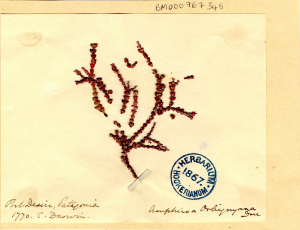 The conference aims to trace the ways in which the disciplines of art history and the history of science have observed and influenced one another from the eighteenth century to the present day. While the last decades have seen a proliferation of studies devoted to the relationships between art and science (through research on the visual culture of science, epistemic images, the materiality of knowledge production, or the history of technology), the historical and theoretical interactions between the two fields have received surprisingly little attention as an object of inquiry in their own right. The conference aims to trace the ways in which the disciplines of art history and the history of science have observed and influenced one another from the eighteenth century to the present day. While the last decades have seen a proliferation of studies devoted to the relationships between art and science (through research on the visual culture of science, epistemic images, the materiality of knowledge production, or the history of technology), the historical and theoretical interactions between the two fields have received surprisingly little attention as an object of inquiry in their own right.
We seek to understand how two disciplines that . . . → En lire plus
Posté par Revue Histoire de l Art, le 14 septembre 2026;
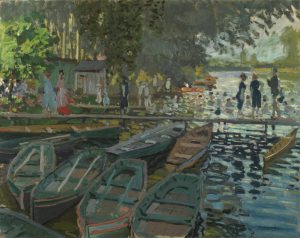 APPEL À COMMUNICATION Impressionism Now: New Directions in the Field APPEL À COMMUNICATION Impressionism Now: New Directions in the Field
Télécharger le programme au format PDF.
Pigott Theatre, The National Gallery, Londres — Vendredi 22 janvier 2027
Dans le cadre de l’exposition Renoir et l’amour (3 octobre 2026 – 31 janvier 2027), organisé en collaboration avec Impressionist Futures et l’ECR French Nineteenth-Century Art Network.
Organisateur·rices : Dr Chiara Di Stefano, conservatrice associée des peintures postérieures à 1800, The National Gallery ; Dr Allison Deutsch, chargée de cours en histoire de l’art, University of Oxford Lifelong Learning ; Matthew French, University of Birmingham ; Dr Samuel Raybone, maître de . . . → En lire plus
Posté par Olivier Bonfait, le 14 septembre 2026;
 L’Université d’été « Recherches sur l’art du dix-septième siècle » se déplace à Montpellier au printemps 2027, à l’invitation du musée Fabre et avec le soutien des Amis du musée Fabre (AMF). Comme les deux précédentes éditions, cette rencontre est destinée à offrir un lieu et un temps privilégiés de rencontres entre professionnels et jeunes chercheurs, accueillant les recherches interdisciplinaires les plus stimulantes consacrées à l’art européen et extra-européen du xviie siècle (entendu largement, des années 1580 à 1720). L’Université d’été « Recherches sur l’art du dix-septième siècle » se déplace à Montpellier au printemps 2027, à l’invitation du musée Fabre et avec le soutien des Amis du musée Fabre (AMF). Comme les deux précédentes éditions, cette rencontre est destinée à offrir un lieu et un temps privilégiés de rencontres entre professionnels et jeunes chercheurs, accueillant les recherches interdisciplinaires les plus stimulantes consacrées à l’art européen et extra-européen du xviie siècle (entendu largement, des années 1580 à 1720).
Différentes sessions, encadrées par des enseignants-chercheurs relevant de plusieurs disciplines (histoire de l’art, histoire, littérature, philosophie, musicologie), seront l’occasion de présenter et de . . . → En lire plus
Posté par Olivier Bonfait, le 14 septembre 2026;
- Date limite : 20 septembre 26
L’HAR et la manière : réflexivité dans l’apprentissage de la recherche
« Why do we dig? Because paleontology is science and science is about the truth and there is truth in these rocks. » Dr. Alan Grant in Jurassic World Dominion (Trevorrow C., 2022)
Faire de la science est un enjeu majeur dans le domaine de la recherche. Les sphères les plus légitimes de sa production sont historiquement celles des sciences naturelles. La biologie, l’astronomie ou encore la paléontologie sont autant de disciplines dont nul ne songerait à contester la valeur scientifique. L’artifice aurait été trompeur s’il s’était agi ici de poursuivre en posant la question de la légitimité des humanités au sein du champ scientifique. Les sciences humaines et sociales (SHS) ont depuis longtemps déjà établi leur place parmi . . . → En lire plus
Posté par Olivier Bonfait, le 14 septembre 2026;
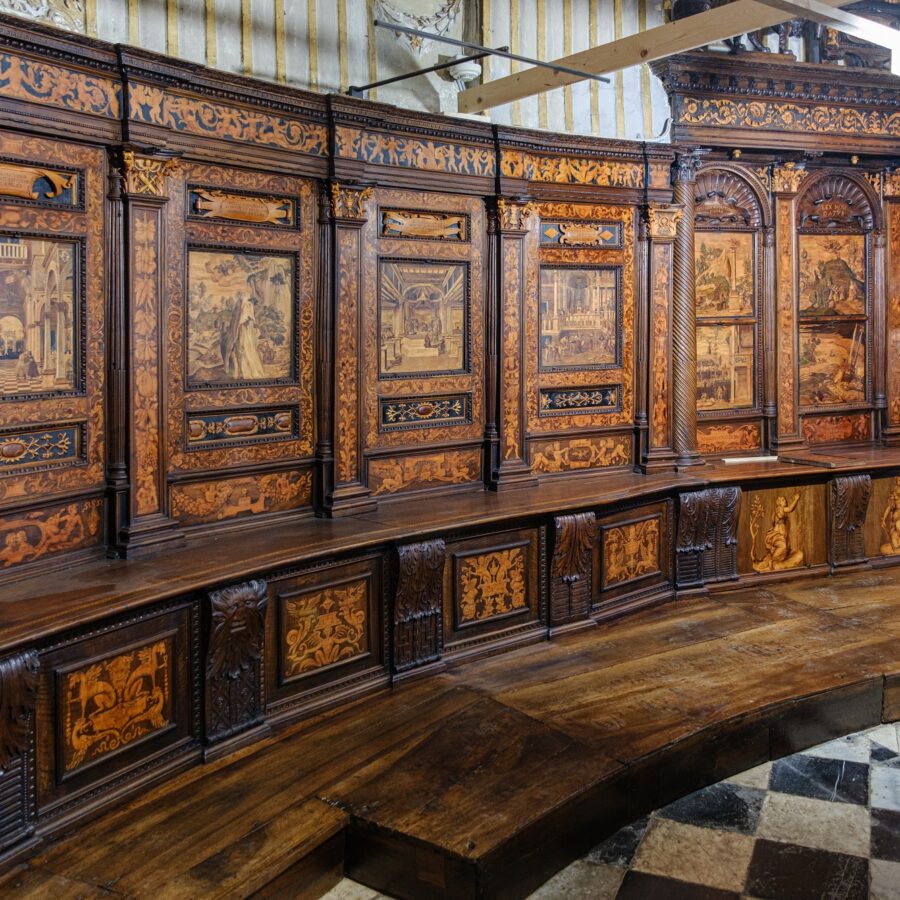
 Illusion and Imitation in European Choir Stalls | ICONOstalla – Misericordia International 17th Colloquium. Illusion and Imitation in European Choir Stalls | ICONOstalla – Misericordia International 17th Colloquium.
Choir stalls sit at a unique intersection of liturgical function, architectural framework, and virtuosic craftsmanship. Located at the heart of the sacred interior, these wooden structures served not only as functional seating for the clergy but as primary sites for complex visual and intellectual play. This conference seeks to explore the conceptual, material, and sensory dimensions of illusion and imitation in European choir stalls from the medieval to the early modern periods. Far from being mere decorative backdrops, choir stalls frequently engaged in sophisticated visual deception. From the . . . → En lire plus
Posté par Olivier Bonfait, le 14 septembre 2026;
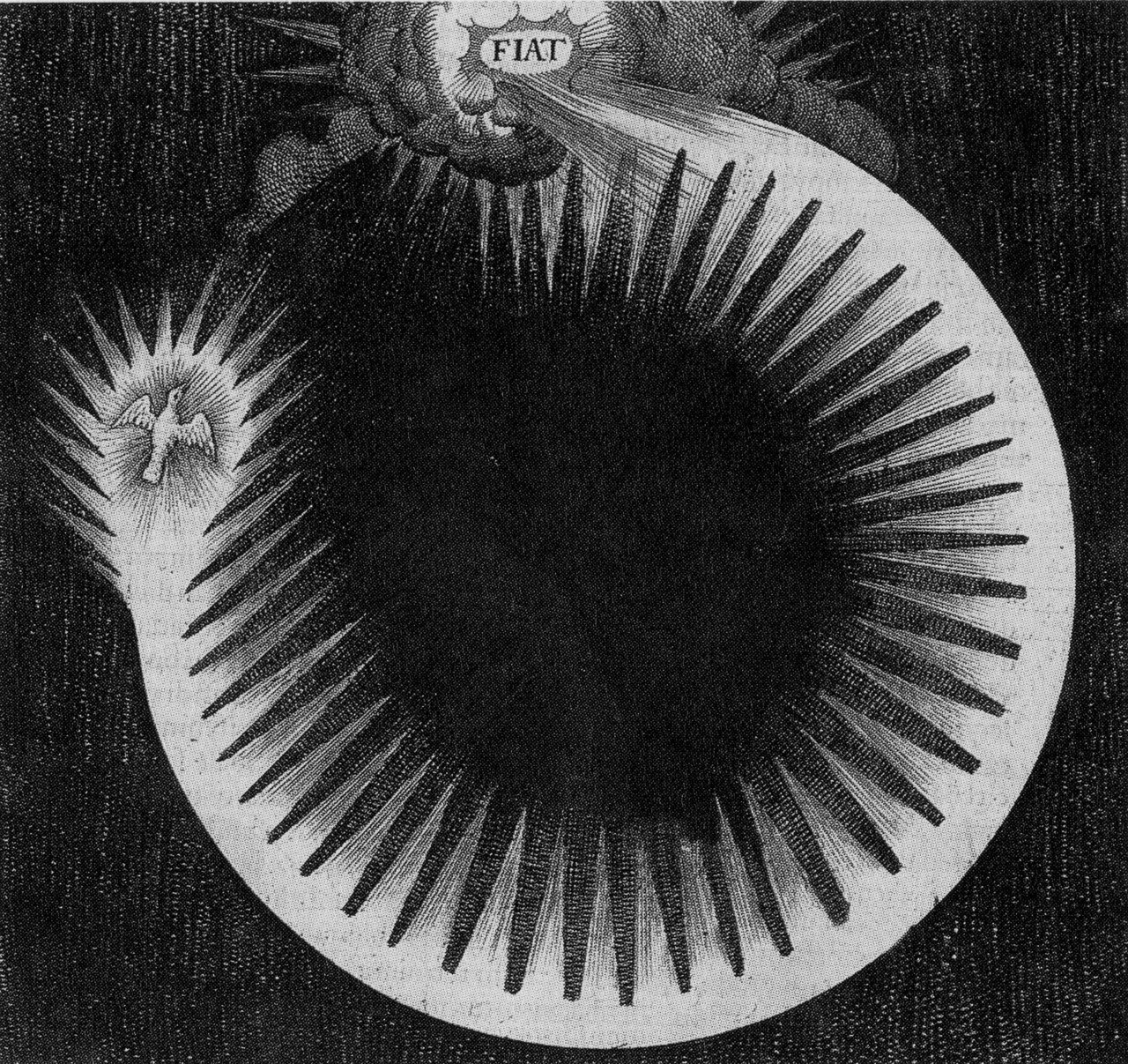
Ancient Magica in the Early Modern Period (16th–18th centuries). Visualizing Antiquity. On the Episteme of Early Modern Drawings and Prints VI.
What did “magic” mean to people in the early modern period? Did it encompass the foreign in its broadest sense, the exotic, the cultic, the cosmic, the distant past—perhaps even antiquity itself? How did early modern actors engage with and make sense of these phenomena? What, precisely, did the category of Magica designate? And how were ancient magical artefacts perceived, documented, classified, and incorporated into early modern systems of knowledge?
The sixth colloquium in the series “Visualizing Antiquity. On the Episteme of Early Modern Drawings and Prints“ examines the manifold ways in which ancient Magica were perceived, transmitted, and interpreted in the early modern period. At its centre are . . . → En lire plus
Posté par Olivier Bonfait, le 14 septembre 2026;
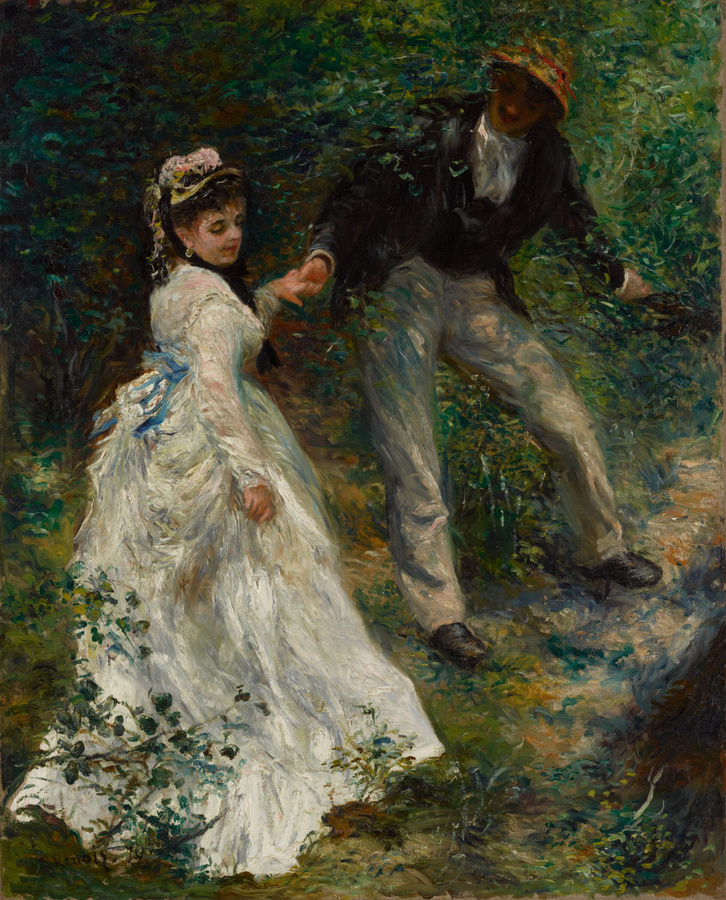
 Impressionism Now: New Directions in the Field Impressionism Now: New Directions in the Field
Held in conjunction with the exhibition Renoir & Love (3 October 2026 – 31 January 2027) and organised in collaboration with Impressionist Futures and the ECR French Nineteenth-Century Art Network. Organisers: Dr Chiara Di Stefano, Associate Curator of Post-1800 Paintings, The National Gallery; Dr Allison Deutsch, Departmental Lecturer in History of Art, University of Oxford Lifelong Learning; Matthew French, University of Birmingham; Dr Samuel Raybone, Lecturer in History of Art, University of Glasgow.
Call for Papers
Organised in conjunction with the exhibition Renoir and Love (3 October 2026 – 31 January 2027), this international conference advances recent research on . . . → En lire plus
Posté par Olivier Bonfait, le 14 septembre 2026;
- Date limite : 30 sept. 26
The architect and the museum. Professional interactions and historiographical issues.
What does the architect do in the museum(s)? What do museums do to architects? One might think that these two questions have been extensively addressed in academic literature, both in the history of architecture and in art history. However, with the exception of a few now well-established topics such as the architectural history of museums (Texier and Civil, 2023; Hottin, 2024) or the history of museums and temporary architecture exhibitions (Schuck 1991; Bergdoll, 2014; Quantin-Biancalani, 2023; Fankhänel, 2024; Tichit, 2024, 2025), the rich interrelationships between architects and museums remain largely unexplored.
The aim of this call for papers is not so much to document the history of architects’ involvement – whether theoretical or practical – in museum architecture, as to . . . → En lire plus
Posté par Olivier Bonfait, le 14 septembre 2026;
- Date limite : 20 oct. 2026
Utopie(s) dans les arts et lieux de l’art des années 1960 à nos jours.
Dans son encyclopédie des espérances, Bloch présente certains arts (la peinture, l’opéra, la littérature et la musique) comme les « épures d’un monde meilleur » (Ernst Bloch, 1955, 1959). Ainsi, l’art concourt à l’apparition de l’utopie en y préparant la conscience. Au cœur de la notion d’utopie, des manifestations antérieures à sa création terminologique aux réalisations contemporaines, se trouve une interrogation constante du statu quo social et une proposition de sociétés alternatives. L’utopie s’est développée autour d’une poétique évocatrice qui traverse les disciplines de l’art. La symbolique construite par l’utopie, façonnée à travers des manifestations artistiques, tend à se matérialiser dans son pendant réalisé. Le philosophe Roland Schaer rappelle à ce propos la porosité entre le . . . → En lire plus
Posté par Olivier Bonfait, le 14 septembre 2026;
- Date limite : 30 janv. 2027
Pellegrino Tibaldi tra Milano e la Spagna: architettura e le arti. Pellegrino Tibaldi between Milan and Spain: Architecture and the Arts.
On the occasion of the fifth centenary of the presumed birth of Pellegrino Tibaldi (1527–2027), the Politecnico di Milano and the Università Cattolica del Sacro Cuore intend to promote a study day – Milan, September 2027 – dedicated to new documentary discoveries, reports, and fresh critical interpretations regarding the activity of Pellegrino Tibaldi (both as artist and architect) in Milan.
More than thirty years after the Milan conferences (1987 and 1996) and twenty years since the Bologna conference (2006), and in synergy with other events dedicated to celebrating this anniversary, the study day aims to provide a forum for dialogue among scholars to discuss ongoing research and future perspectives. . . . → En lire plus
Posté par Olivier Bonfait, le 3 septembre 2026;
- Date limite : 5 octobre 2026
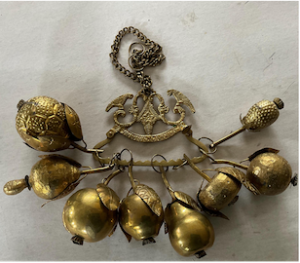
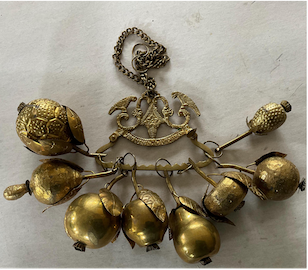
Bijoux Penca de balangandã, Brésil, private collection
Colloque international
Esthétiques migratoires : silences de la mémoire, culture matérielle et politique de l’ornement
Date : 17 décembre 2026 Lieu : Université de Picardie Jules Verne, Amiens, site Citadelle
Ce colloque international se propose d’examiner la manière dont les esthétiques migratoires reconfigurent les relations entre arts, artisanat et culture matérielle. L’histoire moderne occidentale a tracé des lignes de fracture durables entre théorie et pratique, technique et expression, artisan et artiste, producteur et usager, autant de frontières qui continuent d’orienter les hiérarchies de valeur au sein du champ artistique. Longtemps considérés à la . . . → En lire plus
Posté par Matthieu Fantoni, le 3 septembre 2026;
- Date de la remise des propositions : 18 octobre 2026
- Date et lieux de la journée d'études : 26 mai 2027 ; Institut national d’histoire de l’art (INHA), Paris, Salle Giorgio Vasari, 26 mai 2027 ; Institut national d’histoire de l’art (INHA), Paris, Salle Giorgio Vasari
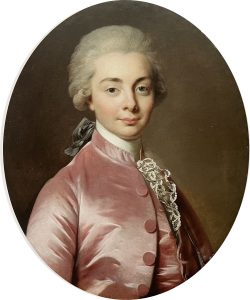
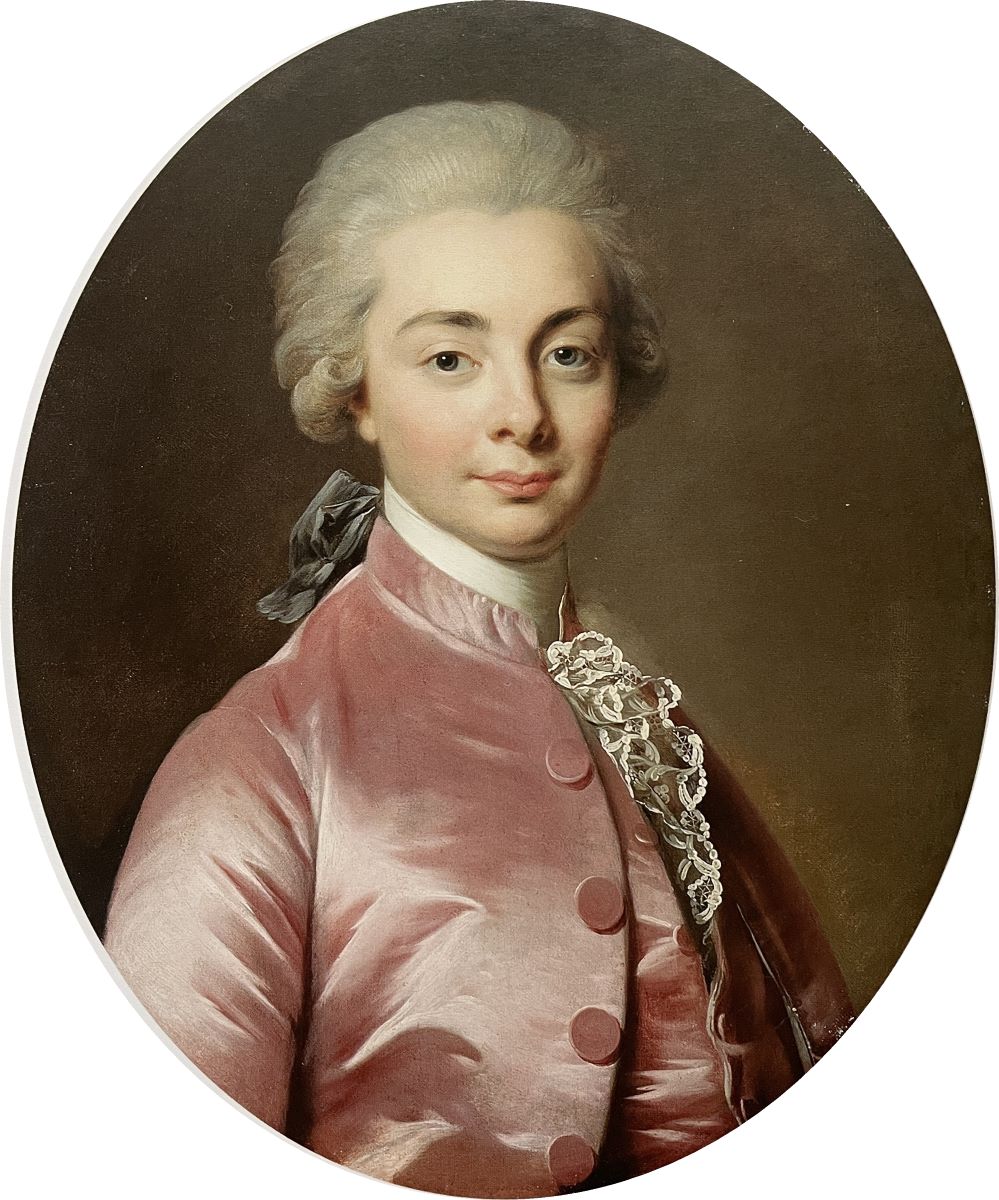
Alexander Roslin, Portrait de jeune homme, c. 1775, huile sur toile, 61 × 49.9 cm
La couleur rose et ses usages ont subi certains aléas dans leur réception en Europe. Couleur qui devient autonome durant la première moitié du XVIIIe siècle, le rose envahit la mode, les arts décoratifs et la peinture au contact du style Rocaille. Sa promotion est rendue sensible par l’invention du terme ‘rose’ en français ou de ses équivalents européens pour désigner cette teinte. Cette dernière est obtenue par une conjonction de facteurs techniques et culturels dans un contexte . . . → En lire plus
Posté par JRamos, le 1 septembre 2026;
- date limite des propositions : 20 septembre 2026
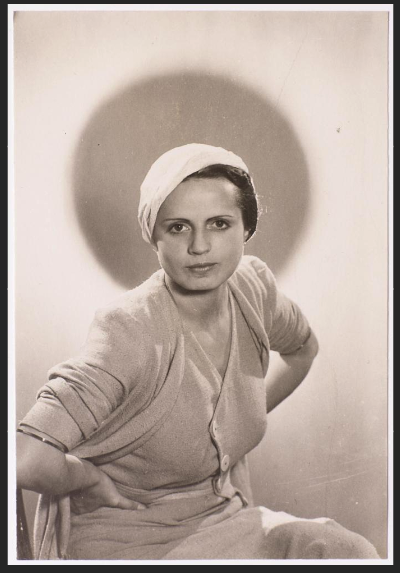
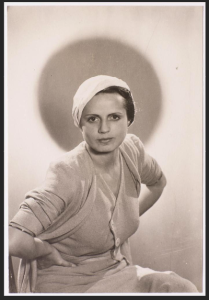 Appel à communication : « Ré Soupault, une femme au cœur des avant-gardes » (Colloque international pluridisciplinaire – Strasbourg, 17-18 juin 2027) Appel à communication : « Ré Soupault, une femme au cœur des avant-gardes » (Colloque international pluridisciplinaire – Strasbourg, 17-18 juin 2027)
[German and English version below]
Première manifestation scientifique consacrée à Ré Soupault (1901-1996), ce colloque pluridisciplinaire et international se tiendra dans le cadre de l’exposition consacrée à l’artiste franco-allemande, au Musée d’Art Moderne et Contemporain de Strasbourg, du 21 mai au 28 novembre 2027. L’exposition est labellisée « Bicentenaire de la photographie ».
En 2019, le centenaire du Bauhaus mit à l’honneur les femmes de la célèbre école d’architecture et d’arts appliqués de Weimar dans la continuité d’un certain nombre de publications et manifestations qui . . . → En lire plus
Posté par Olivier Bonfait, le 31 août 2026;
- Date limite : 18 septembre 2026
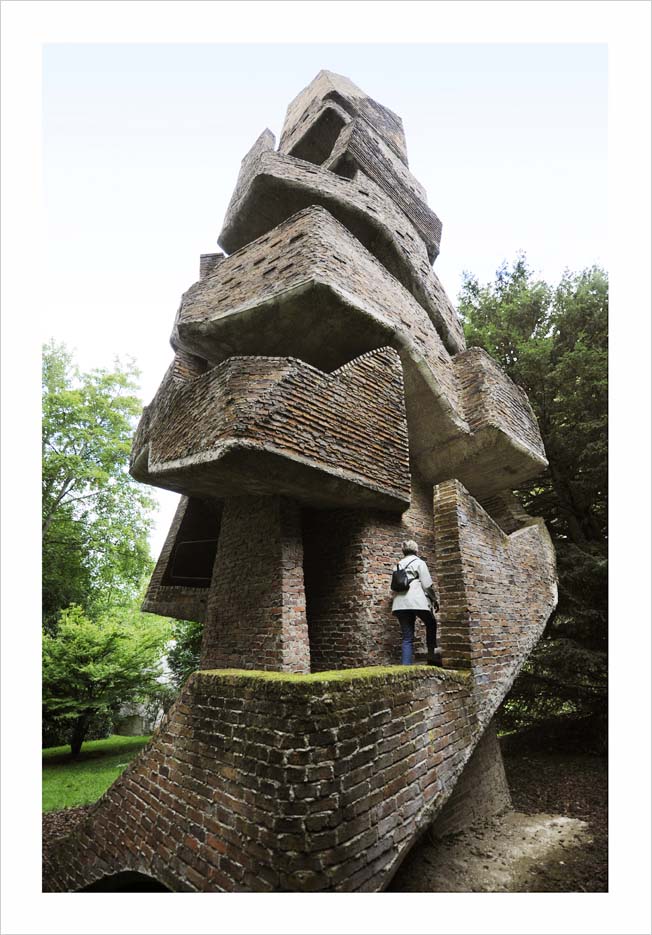
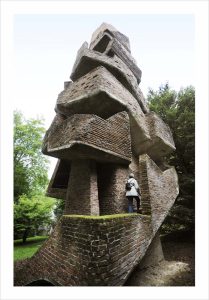 Art et architecture modernes : revues, réseaux, interférences L’œuvre et l’héritage d’André Bloc (1896–1966) Art et architecture modernes : revues, réseaux, interférences L’œuvre et l’héritage d’André Bloc (1896–1966)
Cette journée d’étude se présente comme une occasion de commémorer le 60e anniversaire de la disparition d’André Bloc et de revenir sur son héritage dans le domaine de l’architecture. La journée d’étude vise aussi à réunir des chercheuses et chercheurs travaillant sur les revues d’architecture, les pratiques éditoriales et les transferts culturels qu’elles ont rendus possibles. En prenant Bloc comme exemple central, l’événement cherche à examiner comment la presse spécialisée a façonné la réception de l’architecture moderne, produit des références visuelles et promu des modèles, rapproché des réseaux . . . → En lire plus
Posté par Olivier Bonfait, le 31 août 2026;
- Date limite : 15 septembre 2026
Art et religions 25e École de printemps d’histoire de l’art Lausanne-Neuchâtel, 2027
Appel à propositions Depuis plus de vingt ans, l’École internationale de printemps d’histoire de l’art offre un espace de formation et de dialogue unique pour les jeunes chercheuses et chercheurs en histoire de l’art du monde entier. Soutenue par le Réseau international de formation à la recherche en histoire de l’art (RIFHA) — qui réunit des institutions partenaires en Allemagne, au Canada, en Espagne, aux États-Unis, en France, en Italie, au Japon et en Suisse —, elle encourage la circulation des idées et la rencontre entre différentes traditions de recherche. Chaque édition aborde un thème transversal, commun à toutes les périodes et à toutes les aires culturelles. Ce choix permet d’examiner les œuvres d’art sous des angles multiples . . . → En lire plus
Posté par Matthieu Fantoni, le 31 août 2026;
- date de remise des propositions : 30 septembre 2026
- date et lieux du colloque : Nancy et Paris, 24 et 26-27 novembre 2026
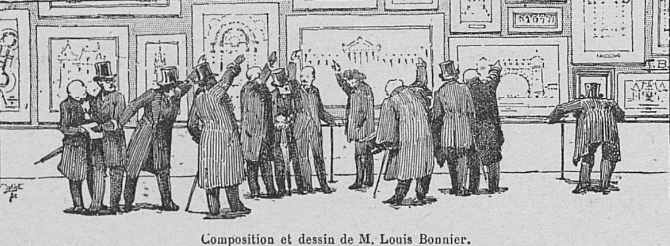 Résumé Résumé
Cet appel à communications propose d’explorer un champ encore peu étudié : les relations entre les architectes et les musées. Au-delà de l’histoire des bâtiments muséaux, le colloque interroge la place des musées dans la formation, les pratiques, les réseaux et les trajectoires professionnelles des architectes en France, sans distinction de période. Les propositions pourront porter sur les architectes exposés dans les musées, leur rôle de collectionneur, conservateur ou administrateur, leurs pratiques de visite et leurs usages de la culture muséale, ainsi que sur la valeur symbolique et professionnelle de la commande muséale.
Mots clés
architecte ; musée ; formation ; profession ; histoire . . . → En lire plus
Posté par Elliot ADAM, le 28 août 2026;
- Date de remise des propositions : 7 septembre 2026
- Date : 15-16 décembre 2026

Dirck van Rijswijck, Pyrame et Thisbé (détail), Plateau de table en pierre de touche incrustée de nacre et de divers marbres, 1659, Amsterdam, Rijksmuseum © Romain Thomas.
Appel à communications : Colloque AORUM, « Tout ce qui brille n’est pas d’or… Stratégies de l’éclat dans les arts visuels (XVe-XVIIIe siècles) » (Paris, 15-16 décembre 2026)
En 1639, lorsqu’il écrit à Paul Fréart de Chantelou à propos de son tableau Les Israélites recueillant la manne dans le désert, Nicolas Poussin recommande de l’encadrer avec un cadre « doré d’or mat tout simplement, car il s’unit . . . → En lire plus
|
Équipe Rédacteur en chef : Olivier Bonfait.
Rédacteurs : Elliot Adam (Moyen Age) ; Nicolas Ballet (XX-XXIe siècles) ; Matthieu Fantoni (musées) ; Antonella Fenech Kroke (bourses) ; Vladimir Nestorov (Lettre mensuelle)
Administrateur web : Matthieu Lett.
ancien éditeur : Pascale Dubus
anciens rédacteurs : Gautier Anceau, Sébastien Bontemps, Damien Bril ; Sébastien Chauffour ; Ludovic Jouvet ; Aude Prigot
|
 Les commentaires sont clos