Posté par Olivier Bonfait, le 28 septembre 2026;
- Lieu et date de la rencontre : Université de Montréal (local C-7174) et en ligne / and online (mail de contact dans le post)
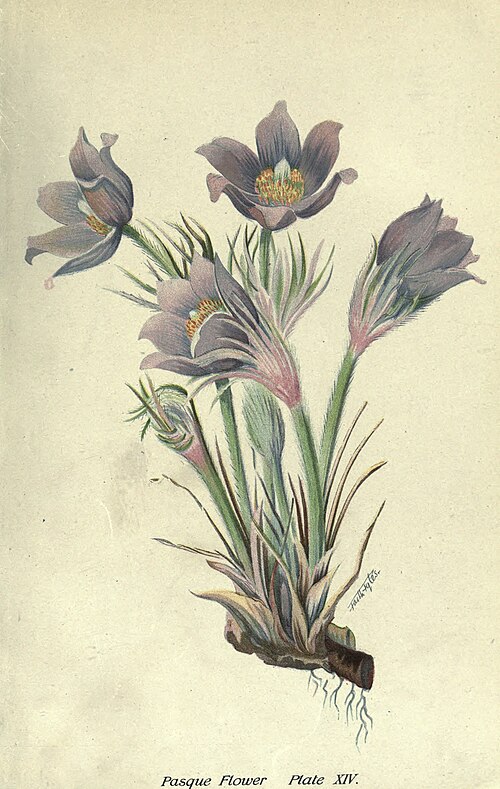
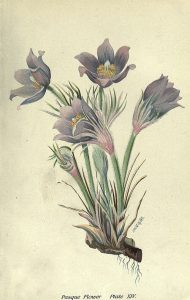 Des femmes et des fleurs ? Réinvestir les fleurs au prisme du genre, années 1840 – années 1930 Des femmes et des fleurs ? Réinvestir les fleurs au prisme du genre, années 1840 – années 1930
Of Women and Flowers? Re-examining Flowers through the Lens of Gender, 1840s–1930s
22-23 octobre 2026 Université de Montréal (local C-7174) et en ligne / and online Organisation : Alienor Bautru-Valois, Noémie Cadieux Ersy Contogouris, Marie Gispert
22 octobre | 22 October 9h- Accueil et café
9h30- Introduction : Aliénor Bautru-Valois, Noémie Cadieux, Ersy Contogouris, Marie Gispert
Redonner leur place aux femmes dans l’histoire florale | Recovering Women’s Contributions to Floral History
Modération | chair : Ersy Contogouris (Université de Montréal)
9h45- Vanessa Bateman (Trent University), Foregrounding Flora: . . . → En lire plus
Posté par Olivier Bonfait, le 14 septembre 2026;
- Date et lieu du colloque : 1-2 oct. , Sciences Po, Salons scientifiques1 pl. Saint-Thomas-d'Aquin, 75007, Paris
- Date limite : 29 septembre (inscription en ligne)
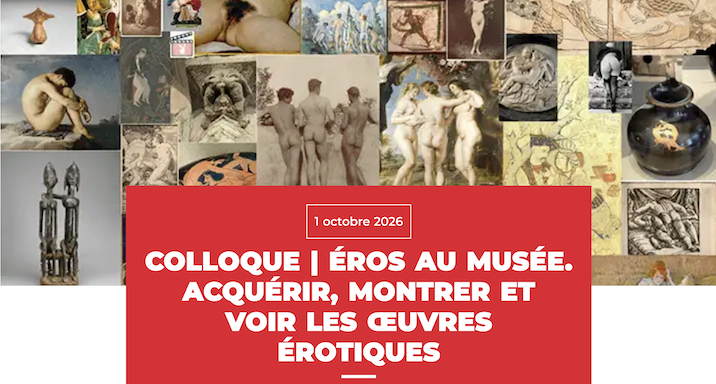
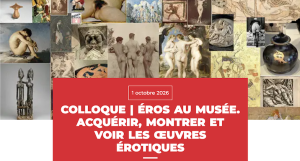 Colloque | Éros au musée. Acquérir, montrer et voir les œuvres érotiques Colloque | Éros au musée. Acquérir, montrer et voir les œuvres érotiques
Le musée n’est pas seulement un lieu d’exposition : il est aussi un espace où se négocient sans cesse la visibilité et la valeur des œuvres. Ce colloque propose d’explorer le rôle du musée dans la construction et la reconfiguration des regards genrés portés sur les objets liés à la sexualité et/ou au désir (érotiques et pornographiques).
Programme
Jeudi 1er octobre 2026
9h30 | Accueil des participantes et des participants
10h00 | Ouverture du Colloque
Mot d’accueil : Laurence Bertrand Dorléac (Sciences Po, Présidente de la Fondation nationale des sciences politiques). Introduction des organisateurs . . . → En lire plus
Posté par Olivier Bonfait, le 14 septembre 2026;
Ancient Magica in the Early Modern Period (16th–18th centuries). Visualizing Antiquity. On the Episteme of Early Modern Drawings and Prints VI.
What did “magic” mean to people in the early modern period? Did it encompass the foreign in its broadest sense, the exotic, the cultic, the cosmic, the distant past—perhaps even antiquity itself? How did early modern actors engage with and make sense of these phenomena? What, precisely, did the category of Magica designate? And how were ancient magical artefacts perceived, documented, classified, and incorporated into early modern systems of knowledge?
The sixth colloquium in the series “Visualizing Antiquity. On the Episteme of Early Modern Drawings and Prints“ examines the manifold ways in which ancient Magica were perceived, transmitted, and interpreted in the early modern period. At its centre are . . . → En lire plus
Posté par Olivier Bonfait, le 14 septembre 2026;
 Impressionism Now: New Directions in the Field Impressionism Now: New Directions in the Field
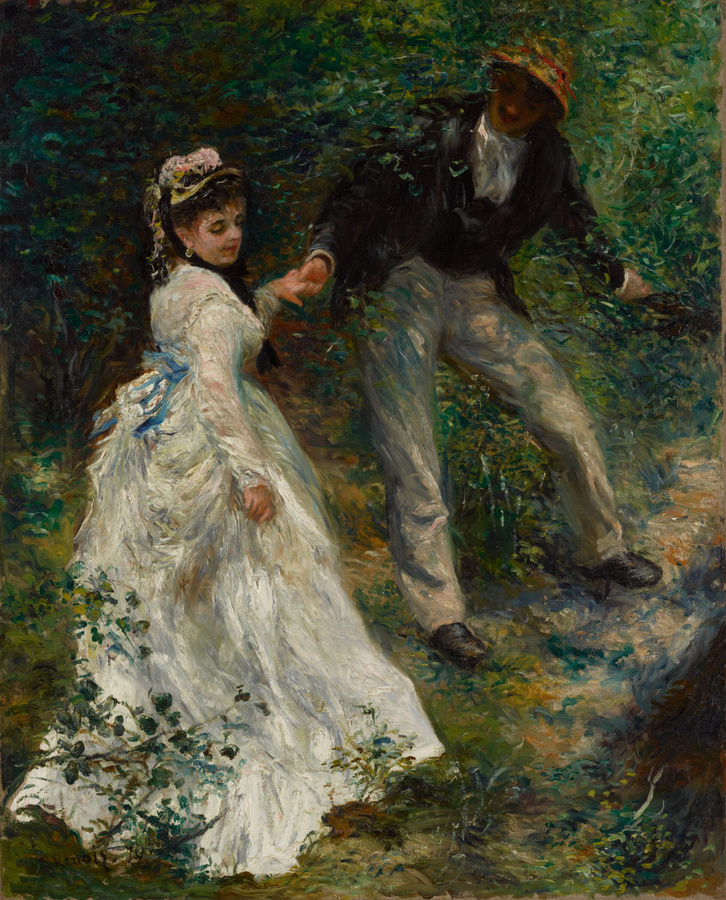
Held in conjunction with the exhibition Renoir & Love (3 October 2026 – 31 January 2027) and organised in collaboration with Impressionist Futures and the ECR French Nineteenth-Century Art Network. Organisers: Dr Chiara Di Stefano, Associate Curator of Post-1800 Paintings, The National Gallery; Dr Allison Deutsch, Departmental Lecturer in History of Art, University of Oxford Lifelong Learning; Matthew French, University of Birmingham; Dr Samuel Raybone, Lecturer in History of Art, University of Glasgow.
Call for Papers
Organised in conjunction with the exhibition Renoir and Love (3 October 2026 – 31 January 2027), this international conference advances recent research on . . . → En lire plus
Posté par Olivier Bonfait, le 14 septembre 2026;
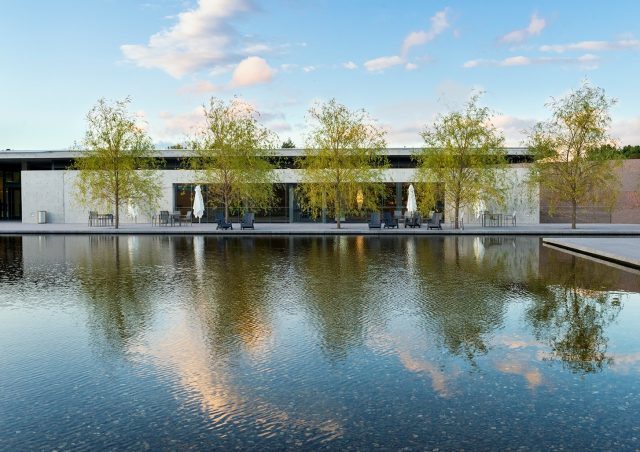
 The Clark Art Institute’s Research and Academic Program (RAP) awards funded residential fellowships to established and promising scholars with the aim of fostering a critical commitment to inquiry in the theory, history, and interpretation of art and visual culture. The Clark Art Institute’s Research and Academic Program (RAP) awards funded residential fellowships to established and promising scholars with the aim of fostering a critical commitment to inquiry in the theory, history, and interpretation of art and visual culture.
As part of our commitment to fostering diverse engagements with the visual arts, RAP particularly seeks to elevate constituencies, subjects, and methods that have historically been underrepresented in the discipline. In addition to the general Clark Fellowships, which are open to any topic, time period, and geographic focus, RAP offers a number of special fellowships for specific research interests that are intended to nurture a variety of . . . → En lire plus
Posté par Olivier Bonfait, le 14 septembre 2026;
The Image Centre (IMC) is Canada’s leading institution dedicated to the exhibition, research and collecting of photography. Established in 2012 at Toronto Metropolitan University, in the heart of the city, the IMC welcomes visitors to explore the intersection of photography and culture. Through compelling exhibitions and engaging public programming, the IMC showcases work by emerging, renowned, and anonymous photographers, past and present. With a growing collection of nearly 500,000 photographic objects and an innovative scholarly research program, the IMC is also a vibrant hub for the preservation and study of photography.
Since 2014, The Image Centre has offered a variety of fellowships for research related to photography. The fellowship program supports original research in the history of photography and fellows have the opportunity to study select areas of The Image . . . → En lire plus
Posté par Olivier Bonfait, le 14 septembre 2026;
- Date limite : 15 octobre 26
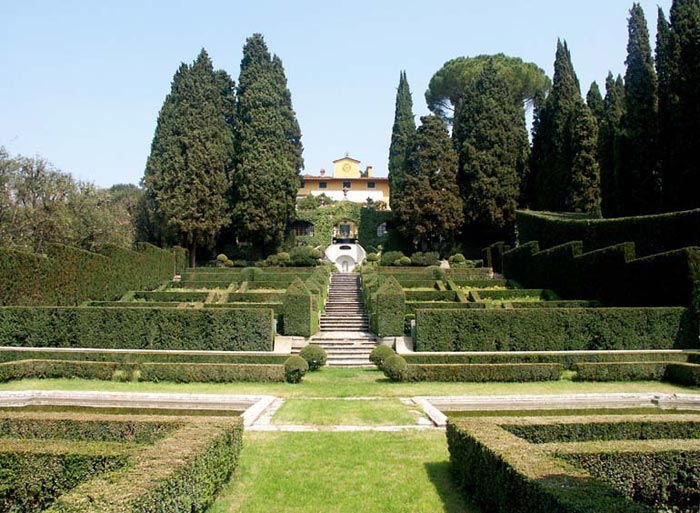
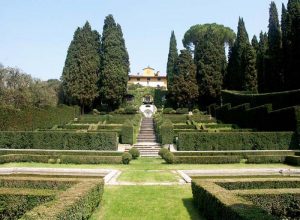 I Tatti, The Harvard University Center for Italian Renaissance Studies in Florence, Italy, warmly invites applications for the 2027–2028 academic year. We offer the following post-doctoral fellowships (n.b. deadlines vary): I Tatti, The Harvard University Center for Italian Renaissance Studies in Florence, Italy, warmly invites applications for the 2027–2028 academic year. We offer the following post-doctoral fellowships (n.b. deadlines vary):
I Tatti Fellowship (twelve months; deadline: October 15) for post-doctoral research in any aspect of the Italian Renaissance, broadly understood historically to include the period from the 14th to the 17th century and geographically to include transnational dialogues between Italy and other cultures (e.g. Latin American, Mediterranean, African, Asian etc.).
For more information on all fellowships at Villa I Tatti please visit http://itatti.harvard.edu/programs
Posté par Olivier Bonfait, le 3 septembre 2026;
- Date limite : 5 octobre 2026
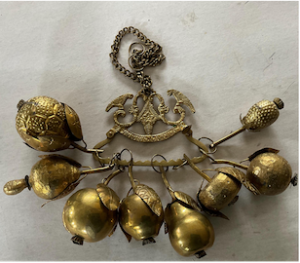
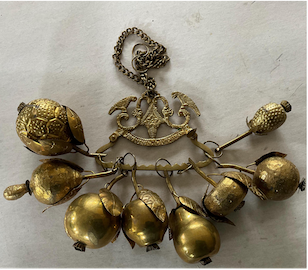
Bijoux Penca de balangandã, Brésil, private collection
Colloque international
Esthétiques migratoires : silences de la mémoire, culture matérielle et politique de l’ornement
Date : 17 décembre 2026 Lieu : Université de Picardie Jules Verne, Amiens, site Citadelle
Ce colloque international se propose d’examiner la manière dont les esthétiques migratoires reconfigurent les relations entre arts, artisanat et culture matérielle. L’histoire moderne occidentale a tracé des lignes de fracture durables entre théorie et pratique, technique et expression, artisan et artiste, producteur et usager, autant de frontières qui continuent d’orienter les hiérarchies de valeur au sein du champ artistique. Longtemps considérés à la . . . → En lire plus
Posté par Matthieu Fantoni, le 3 septembre 2026;
- Date de la remise des propositions : 18 octobre 2026
- Date et lieux de la journée d'études : 26 mai 2027 ; Institut national d’histoire de l’art (INHA), Paris, Salle Giorgio Vasari, 26 mai 2027 ; Institut national d’histoire de l’art (INHA), Paris, Salle Giorgio Vasari
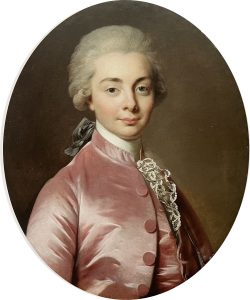
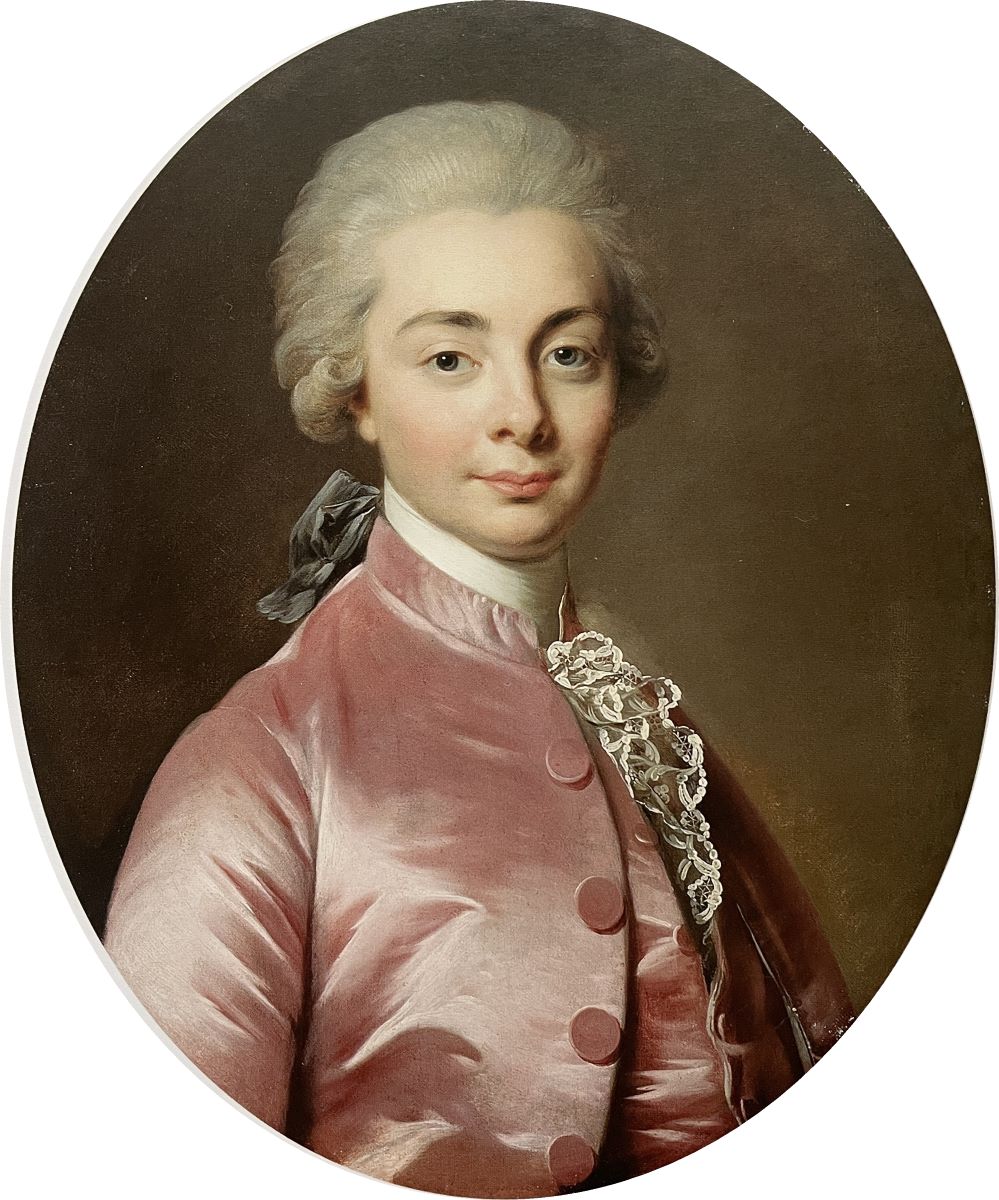
Alexander Roslin, Portrait de jeune homme, c. 1775, huile sur toile, 61 × 49.9 cm
La couleur rose et ses usages ont subi certains aléas dans leur réception en Europe. Couleur qui devient autonome durant la première moitié du XVIIIe siècle, le rose envahit la mode, les arts décoratifs et la peinture au contact du style Rocaille. Sa promotion est rendue sensible par l’invention du terme ‘rose’ en français ou de ses équivalents européens pour désigner cette teinte. Cette dernière est obtenue par une conjonction de facteurs techniques et culturels dans un contexte . . . → En lire plus
Posté par Olivier Bonfait, le 22 juillet 2026;
- Date limite : 15 oct. 2026
A ppel à contributions Paysages-catastrophes. Histoire, esthétique et politique du désastre (xvie-xxie siècle), sous la direction de Richard Bégin, Jan Blanc, Christophe Loir et Denis Ribouillault Présentation générale Ce volume collectif explore la notion de paysage-catastrophe, entendue comme la rencontre entre la dévastation matérielle d’un lieu et sa reconstruction symbolique dans les arts, les lettres et les pratiques sociales. À la fois réalité géographique et construction culturelle, le paysage-catastrophe se situe à la croisée de la ruine et de la mémoire, du trauma et de l’image, du politique et de l’esthétique (Hewitt 1983 ; Boltanski et Thévenot 1991 ; Walter 2022). L’ouvrage s’inscrit dans la continuité des réflexions sur le régime esthétique du désastre (Schoentjes 2015 ; Virilio 2005), sur les . . . → En lire plus ppel à contributions Paysages-catastrophes. Histoire, esthétique et politique du désastre (xvie-xxie siècle), sous la direction de Richard Bégin, Jan Blanc, Christophe Loir et Denis Ribouillault Présentation générale Ce volume collectif explore la notion de paysage-catastrophe, entendue comme la rencontre entre la dévastation matérielle d’un lieu et sa reconstruction symbolique dans les arts, les lettres et les pratiques sociales. À la fois réalité géographique et construction culturelle, le paysage-catastrophe se situe à la croisée de la ruine et de la mémoire, du trauma et de l’image, du politique et de l’esthétique (Hewitt 1983 ; Boltanski et Thévenot 1991 ; Walter 2022). L’ouvrage s’inscrit dans la continuité des réflexions sur le régime esthétique du désastre (Schoentjes 2015 ; Virilio 2005), sur les . . . → En lire plus
Posté par Olivier Bonfait, le 15 juillet 2026;
- Date limite : 31 aout 2026
Historians of Netherlandish Art Conference. (HNA Boston, MA, July 14-17, 2027)
Panel Title | Heroic, Wounded, Dissected: “Real” Male Bodies in Netherlandish Art. Organizers | Kendra Grimmett, Assistant Teaching Professor of Art History, Ball State University, and Sunmin Cha, PhD Candidate, Columbia University.
Although “Truth” was often personified by a female figure, Netherlandish artists regularly used depictions of the male body to construct, test, and contest claims about reality and truthfulness. This panel interrogates when and why the male figure became a paradigm for visualizing “real” presence, authority, evidence, vulnerability, and doubt.
Across religious, mythological, scientific, civic, and artistic contexts, the male body could appear heroic, wounded, dissected, divine, disciplined, eroticized, laboring, and suffering. Christ’s wounded and resurrected flesh offers one crucial example. In representations of Doubting Thomas, . . . → En lire plus
Posté par Olivier Bonfait, le 15 juillet 2026;
- Date limite : 30 sept. 2026
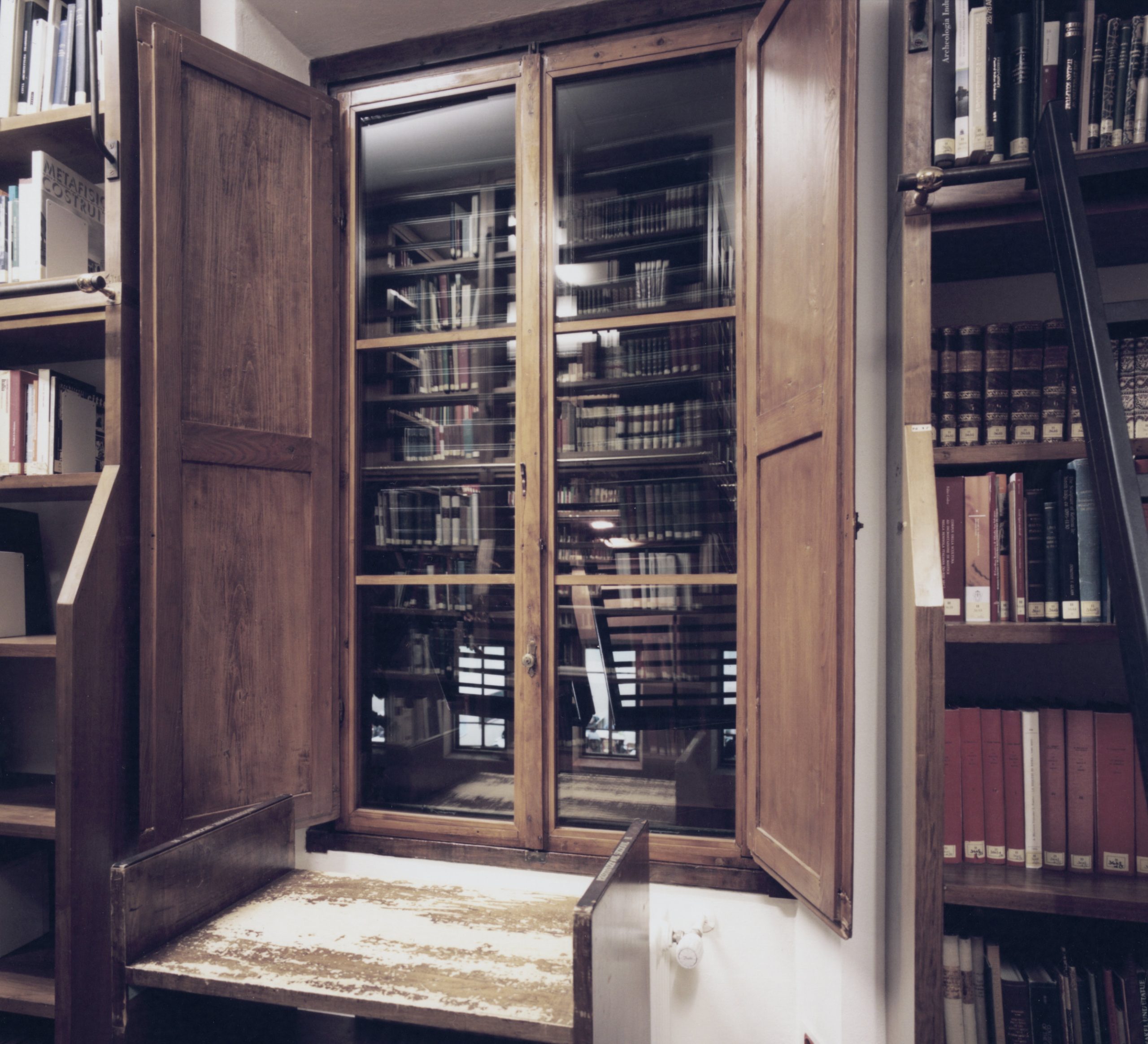
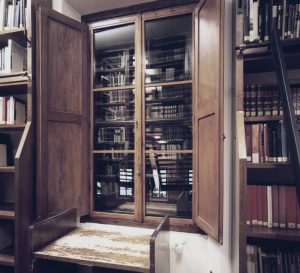 The Kunsthistorisches Institut in Florenz – Max-Planck-Institut (KHI) is seeking a Head of the Library for a permanent position with a preferred start date of November 1st 2027. The Kunsthistorisches Institut in Florenz – Max-Planck-Institut (KHI) is seeking a Head of the Library for a permanent position with a preferred start date of November 1st 2027.
We are looking for a committed, forward-thinking person with a PhD in art history or a neighboring discipline, with strong management and communication skills, a collaborative working style and substantial leadership experience, for a position requiring high levels of responsibility and creativity in an internationally outstanding research institute for art history.
As a member of the Institute’s leadership team, the Head of the Library contributes to the strategic development of . . . → En lire plus
Posté par Olivier Bonfait, le 15 juillet 2026;
- Date limite : 1er sept. 2026
Representing Femininities: Subversion and Conformity in Contemporary Art and Visual Culture. Journal of Femininities. Editor: Elisabetta Garletti.
Historically dismissed as a patriarchal construct, superficial aesthetic, or symbolic marker of women’s oppression, femininity has increasingly been rearticulated within queer feminist, trans, and critical femininities scholarship as a performative and political practice rather than a fixed ontological state (Serano, 2007; Dahl, 2012; Hoskin & Hirschfeld, 2018; Raha and van der Drift, 2024). Moving beyond essentialist understandings of femininity or accounts that position it as inherently complicit in patriarchal power, scholars have demonstrated how feminine and femme expressions can function as sites of resistance, coalition, and world-making that unsettle naturalised understandings of gender (Hoskin, 2017; McCann, 2018; Schwartz, 2020). However, while this body of scholarship has significantly expanded understandings of femininity’s . . . → En lire plus
Posté par Olivier Bonfait, le 15 juillet 2026;
- Date limite : 21 sept. 2026
Sacred Conversations: The Exchange of Objects between Monastic and Secular Courts in Early Modern Central and Eastern Europe.
In early modern Central and Eastern Europe, monasteries and courts communicated across confessional, political and social boundaries through the exchange of objects—carrying diplomatic weight, devotional meaning, and artistic prestige. Building on the workshops ‘The Medici and the Princely Courts of Central and Eastern Europe: Art, Diplomacy and Material Culture’ (Florence, February 2025) and ‘Talking Stones: Objects and Materiality in Early Modern Central and Eastern Europe’ (Prague, April 2026), this conference further explores the dynamics of communication through objects in Central and Eastern Europe during the early modern period. It broadens this inquiry to encompass the full communicative range of sacred material culture and materiality—from courtly gift-giving to liturgical practice, from . . . → En lire plus
Posté par Olivier Bonfait, le 15 juillet 2026;
- Date et lieu de la journée d'études : vendredi 23 octobre 2026, Potager du Dauphin, 15 rue Porto Riche, 92190 Meudon (et hybride, avec inscription obligatoire)
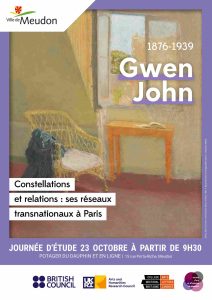 Journée d’étude « Constellations et relations : Gwen John (1876-1939) et ses réseaux transnationaux à Paris (1903-1939) » Vendredi 23 octobre 2026, Potager du Dauphin, 15 rue Porto Riche, 92190 Meudon Le Musée d’Art et d’Histoire de Meudon vous propose une journée d’étude dédiée à l’artiste Gwen John, co-organisée avec Helena Anderson (Musée national du Pays de Galles & Université de Bristol), Anna Falcini (artiste et chercheuse indépendante), et Cassandra Levasseur (Université Rennes 2). Cette artiste britannique majeure, née au Pays de Galles en 1876, a passé presque toute sa vie en France. Connue pour son style pictural . . . → En lire plus Journée d’étude « Constellations et relations : Gwen John (1876-1939) et ses réseaux transnationaux à Paris (1903-1939) » Vendredi 23 octobre 2026, Potager du Dauphin, 15 rue Porto Riche, 92190 Meudon Le Musée d’Art et d’Histoire de Meudon vous propose une journée d’étude dédiée à l’artiste Gwen John, co-organisée avec Helena Anderson (Musée national du Pays de Galles & Université de Bristol), Anna Falcini (artiste et chercheuse indépendante), et Cassandra Levasseur (Université Rennes 2). Cette artiste britannique majeure, née au Pays de Galles en 1876, a passé presque toute sa vie en France. Connue pour son style pictural . . . → En lire plus
Posté par Olivier Bonfait, le 9 juillet 2026;
 Elisa Bérard et Maxime Bray (dir.), La culture du flacon. Usages et représentations visuelles des boissons alcooliques aux XVIIe et XVIIIe siècles, Paris, Éditions du GRHAM, 2026. Éditions du GRHAM – ISBN : 978-2-9559546-6-9 Nombre de pages : 216 Date de publication : mars 2026 Auteurs et autrices : Matthieu Lecoutre, Marguerite Figeac-Monthus, Élise Vanriest Dabek, Défendin Détard, Philippe Morel, Christine Gouzi, Benjamin Binstock, Ulysse Jardat, Jean Potel, Clémence Pau, Hugo Guibert, Claudia Salvi, Maël-Tauziède-Espariat et Charlotte Duvette
Le présent ouvrage réunit une sélection des communications présentées lors du colloque international du GRHAM (Groupe . . . → En lire plus
Posté par Olivier Bonfait, le 30 juin 2026;
 Visualising the Eastern Mediterranean Landscape Visualising the Eastern Mediterranean Landscape
University of St Andrews, Scotland, Jun 10–11, 2027 Deadline: Sep 1, 2026
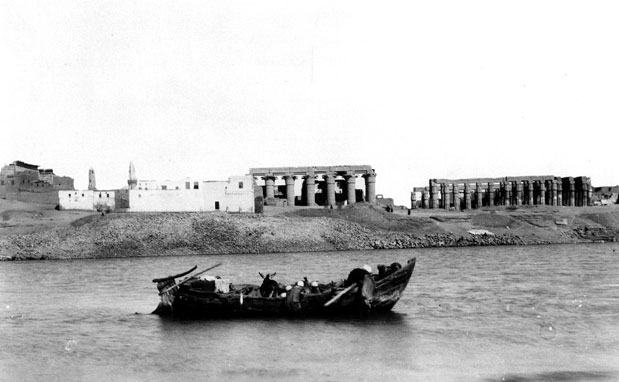
During the long nineteenth century, the landscapes of the eastern Mediterranean were in transition. Inside and outside the shifting territories of the Ottoman Empire, urban areas and infrastructure expanded, networks of transport and travel grew, rural hinterlands were linked to global economies, and minerals and antiquities alike were extracted at a quickening pace. At the same time as these unevenly distributed changes, narratives of ‘timeless’ classical, Biblical or Oriental picturesque landscapes for tourist consumption persisted, often in contrast to local modes of landscape value . . . → En lire plus
Posté par Olivier Bonfait, le 29 juin 2026;
- Date limite : 18 septembre 2026
 Appel à communication : « Titre et traduction, de l’atelier au musée » (Lyon, École nationale supérieure des beaux-arts et Musée d’art contemporain ; 15 et 16 mars 2027) Colloque international coorganisé par Aix-Marseille Université (AMU), l’Université Clermont Auvergne (UCA) et l’Université Grenoble Alpes (UGA), en collaboration avec le MAC Lyon et l’ÉNSBA-Lyon. Appel à communication : « Titre et traduction, de l’atelier au musée » (Lyon, École nationale supérieure des beaux-arts et Musée d’art contemporain ; 15 et 16 mars 2027) Colloque international coorganisé par Aix-Marseille Université (AMU), l’Université Clermont Auvergne (UCA) et l’Université Grenoble Alpes (UGA), en collaboration avec le MAC Lyon et l’ÉNSBA-Lyon.
Argumentaire Le colloque « Titre et traduction : de l’atelier au musée » se déroulera les 15 et 16 mars 2027 à Lyon, ville au carrefour des universités d’Aix-Marseille, de Clermont-Ferrand et de Grenoble Alpes à l’origine de l’événement. Il s’agira de réfléchir aux enjeux liés à la fabrique du titre et à sa . . . → En lire plus
Posté par Olivier Bonfait, le 22 juin 2026;
- Date limite : 15 septembre 2026
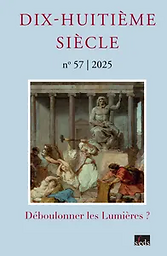 La revue Dix-Huitième Siècle est une revue pluridisciplinaire francophone annuelle consacrée au XVIIIe siècle, sans limite de pays ni de domaine de recherche : https://sfeds.fr/revue-18e/ Elle est publiée sous double format, papier et numérique, en libre accès : https://shs.cairn.info/revue-dix-huitieme-siecle?lang=fr La revue Dix-Huitième Siècle est une revue pluridisciplinaire francophone annuelle consacrée au XVIIIe siècle, sans limite de pays ni de domaine de recherche : https://sfeds.fr/revue-18e/ Elle est publiée sous double format, papier et numérique, en libre accès : https://shs.cairn.info/revue-dix-huitieme-siecle?lang=fr
Chacun de ses numéros comporte un Dossier thématique, une section Varia, une section de Notes de lecture ainsi qu’un Grand entretien.
Dossier thématique (61, 2029)
La Revue lance un appel à propositions de Dossier thématique sous la forme d’un sujet problématisé clairement pluridisciplinaire, susceptible de réunir de quinze à vingt articles inédits dans un dossier structuré.
Il est souhaitable que les propositions soient pilotées par au moins deux personnes . . . → En lire plus
Posté par Olivier Bonfait, le 22 juin 2026;
- Date et lieu de la journée d'études : 8 juillet 2026, 15 heures, salle italienne du Musée Magnin à Dijon
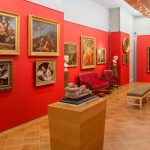 Raconter la peinture – Utpictura18 au musée Magnin Raconter la peinture – Utpictura18 au musée Magnin
Depuis le printemps 2025, dans le cadre du projet « Illustrer, Représenter, Voir » financé par la fondation AMIDEX de l’université d’Aix-Marseille, Utpictura18 organise des sessions de stages à l’intention des étudiants de master, en lettres et en histoire de l’art, dans le but de créer les galeries virtuelles d’Utpictura18 (https://utpictura18.univ-amu.fr/galeries). Les stages sont pilotés par Stéphane Lojkine, directeur du projet, avec les universités et les musées partenaires. Les galeries virtuelles réalisées avec les stagiaires se composent chacune d’une vidéo consacrée à une œuvre du musée et d’un carrousel d’images. Les vidéos ont été mises en musique par les compositeurs du Conservatoire de Paris, classe « Musique . . . → En lire plus
|
Équipe Rédacteur en chef : Olivier Bonfait.
Rédacteurs : Elliot Adam (Moyen Age) ; Nicolas Ballet (XX-XXIe siècles) ; Matthieu Fantoni (musées) ; Antonella Fenech Kroke (bourses) ; Vladimir Nestorov (Lettre mensuelle)
Administrateur web : Matthieu Lett.
ancien éditeur : Pascale Dubus
anciens rédacteurs : Gautier Anceau, Sébastien Bontemps, Damien Bril ; Sébastien Chauffour ; Ludovic Jouvet ; Aude Prigot
|
 Des femmes et des fleurs ? Réinvestir les fleurs au prisme du genre, années 1840 – années 1930
 Les commentaires sont clos