Posté par Olivier Bonfait, le 15 octobre 2024;
- Date et lieu de la soutenance : 18 octobre 2024 à 13h30, à l'INSPE Molitor, salle des actes. , 18 octobre 2024 à 13h30, à l'INSPE Molitor, salle des actes.
 Rémi de Raphélis soutiendra sa thèse de doctorat intitulée : Rémi de Raphélis soutiendra sa thèse de doctorat intitulée :
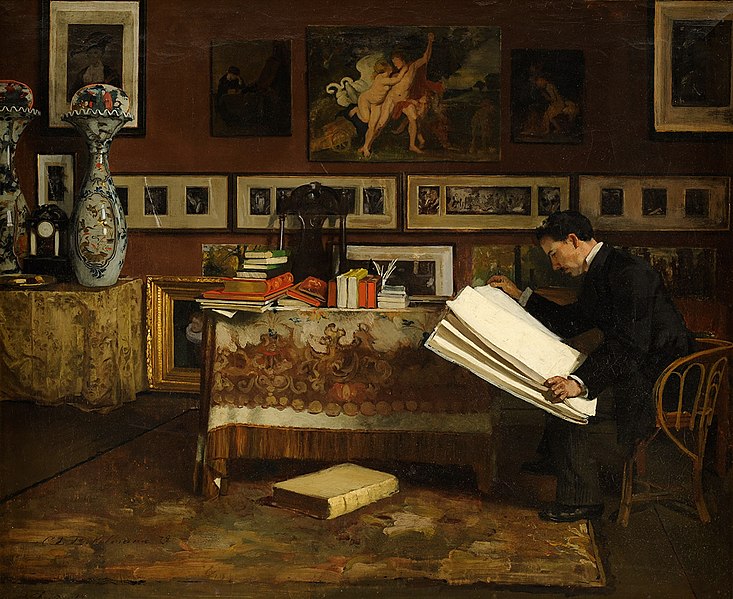
Écrire la collection. France, Grande-Bretagne, Italie, 1880-1940
préparée à l’Université Paris-Saclay sous la direction d’Evanghelia Stead.
La soutenance aura lieu le 18 octobre 2024 à 13h30, à l’INSPE Molitor (10 rue Molitor, 75016 Paris), en salle des actes.
Pour assister à la soutenance, merci d’écrire à re**********************@**********ay.fr
Le jury sera composé de :
Sophie Basch, Professeure, Sorbonne Université (rapporteure) Jean-Louis Haquette, Professeur, Université de Reims Ségolène . . . → En lire plus
Posté par Olivier Bonfait, le 15 octobre 2024;
- Date limite : 31 oct. 2024
Two positions in an ERC Advanced Grant Project « Scholars, Animals, Images, Geographies and the Arts: De-exoticizing Eastern Europe in the Early Modern Period » (SAIGA), University of Warsaw, Poland
Project’s PI: Grażyna Jurkowlaniec (https://ihs.uw.edu.pl/en/jurkowlaniec/ ) Deadline: 31 October 2024 Start Date: 1 January 2025 Duration: 57 months
2 Positions with an art historical connection: [1] Assistant Professor, full-time, gross monthly salary (including all bonuses): approximately PLN 16,200 (PLN 210,600 yearly) – Specialization: visual or material sources in early modern natural history [2] Research Assistant, full-time, gross monthly salary (including all bonuses): PLN 10,500 (PLN 136,500 yearly) – Specialization: art history or book history, 15th–19th centuries
Further Positions: [3] Assistant Professor, full-time, gross monthly salary (including all bonuses): approximately PLN 16,200 (PLN 210,600 yearly) – Specialization: historical . . . → En lire plus
Posté par Olivier Bonfait, le 15 octobre 2024;
- Date limite : 20 oct. 2024
Decentering Transnationality. The Impact of Latin American Artists in Post-War Europe.
Europe, – followed by North America after 1945 – became the nexus of migratory flows of artists, objects, ideas, and cultural agents, particularly from Latin America. Yet, while the presence of Latin American artists in the United Kingdom and France has been the subject of extensive and ongoing research projects, the same is not true for other European countries eschewing the powerful axis of Paris – London – New York. The workshop welcomes research contributions that decenter such canonization of the transnational to recover histories that involve other places of arrival and a new polycentric understanding. What was the impact of artists settling at the so-called margins of Europe? How did they contribute to an ongoing international . . . → En lire plus
Posté par Olivier Bonfait, le 15 octobre 2024;
- Date limite : 12 nov. 2024
The Research and Academic Program (RAP) at the Clark Art Institute is pleased to invite papers from graduate students for a one-day symposium, “Queer Palimpsests: Rewriting Medieval Art History” on April 11th, to be held in person at the Clark in Williamstown, Massachusetts. In the Middle Ages, palimpsests were parchments whose original text or imagery was effaced in order to reuse their valuable substrate. A transliteration of the Greek word παλίμψηστος (palimpsestos), palimpsest literally means “scraped again,” denoting the process of scraping or rubbing a piece of parchment. Sometimes this repurposing was achieved hastily, leaving behind traces of the original text or image. Beyond its literal meaning, today the term has gained other metaphorical resonances. Collapsing iterations of writing and/or image on the same page, palimpsests evoke questions . . . → En lire plus
Posté par Olivier Bonfait, le 6 octobre 2024;
 Émilie Chedeville, Un Sacro Monte à Paris. Le Calvaire du Mont-Valérien au XVIIe siècle, Paris, 2024. Émilie Chedeville, Un Sacro Monte à Paris. Le Calvaire du Mont-Valérien au XVIIe siècle, Paris, 2024.
éd. 1 : 1, coll. ars, 114 p., 32 ill. ISBN: 979-10-97193-09-6 20 euros.
Pour se procurer l’ouvrage sur le site de l’éditeur : https://editions1sur1.wordpress.com/home/
La tradition des montagnes saintes, théâtres de grands événements qui en font des lieux hautement symboliques incarnant dans une efficace topographique un poids historique, est renouvelée au Mont-Valérien au début du XVIIe siècle grâce à un effort de narration, de figuration de l’histoire, ici déterminante pour le salut du genre humain, puisqu’il s’agit de la Passion . . . → En lire plus
Posté par Olivier Bonfait, le 30 septembre 2024;
- Date limite : 15 octobre 2024
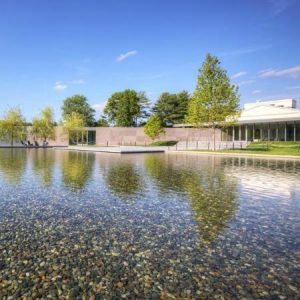 The Clark Art Institute’s Research and Academic Program (RAP) awards funded residential fellowships to established and promising scholars with the aim of fostering a critical commitment to inquiry in the theory, history, and interpretation of art and visual culture. The Clark Art Institute’s Research and Academic Program (RAP) awards funded residential fellowships to established and promising scholars with the aim of fostering a critical commitment to inquiry in the theory, history, and interpretation of art and visual culture.
As part of our commitment to fostering diverse engagements with the visual arts, RAP particularly seeks to elevate constituencies, subjects, and methods that have historically been underrepresented in the discipline.
In addition to the general Clark Fellowships, which are open to any topic, time period, and geographic focus, RAP offers a number of special fellowships for specific research interests that are intended to nurture a . . . → En lire plus
Posté par Olivier Bonfait, le 30 septembre 2024;
- Date limite : 15 oct. 2024
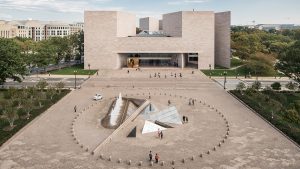 The Center for Advanced Study in the Visual Arts welcomes applications for its senior fellowship program. The Center for Advanced Study in the Visual Arts welcomes applications for its senior fellowship program.
A. W. Mellon Postdoctoral Fellowships and Beinecke Postdoctoral Fellowships are two-year, residential appointments that support research and writing for publication. In their first year, postdoctoral fellows design and direct an intensive weeklong seminar for the Center’s predoctoral fellows in residence, focusing on a topic related to the postdoctoral fellow’s field of interest and with a special emphasis on methodological issues. In the second year, postdoctoral fellows teach a course at a neighboring university. The . . . → En lire plus
Posté par Olivier Bonfait, le 30 septembre 2024;
- Date limite : 15 octobre, 1er nov. 15 nov. 2024
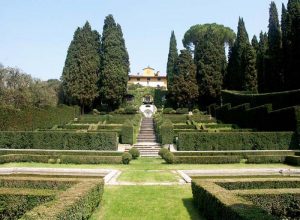 Tatti, The Harvard University Center for Italian Renaissance Studies in Florence, Italy, warmly invites applications for the 2025–2026 academic year. We offer the following ten fellowships (n.b. deadlines vary): Tatti, The Harvard University Center for Italian Renaissance Studies in Florence, Italy, warmly invites applications for the 2025–2026 academic year. We offer the following ten fellowships (n.b. deadlines vary):
I Tatti Fellowship (twelve months; deadline: October 15) for post-doctoral research in any aspect of the Italian Renaissance, broadly understood historically to include the period from the 14th to the 17th century and geographically to include transnational dialogues between Italy and other cultures (e.g. Latin American, Mediterranean, African, Asian etc.).
Wallace Fellowship (four or six months; deadline November 15) for scholars who explore the historiography and impact of the Italian Renaissance in the Modern Era . . . → En lire plus
Posté par Olivier Bonfait, le 27 septembre 2024;
 Frédéric Cousinié, L’espace imaginal : méditer dans l’image au XVIIe siècle, Paris, 2024 Frédéric Cousinié, L’espace imaginal : méditer dans l’image au XVIIe siècle, Paris, 2024
éd. 1 : 1, coll. ars, 216 p., 52 ill. ISBN : 979-10-97193-10-2 24 euros.
Pour se procurer l’ouvrage sur le site de l’éditeur : https://editions1sur1.wordpress.com/home/ Avant d’être admirés dans les musées, les tableaux religieux étaient appréciés au sein des espaces sacrés qui les accueillaient : églises, chapelles et oratoires où ils pouvaient constituer, entre autres usages, des supports de méditation et de contemplation. Méditer au moyen d’une image, pratiquer ce qui était désigné comme l’oraison (orare : prier), obligeait alors à associer une . . . → En lire plus
Posté par Olivier Bonfait, le 25 septembre 2024;
- Date et lieu du colloque : Vesoul, 16-17 octobre 2024
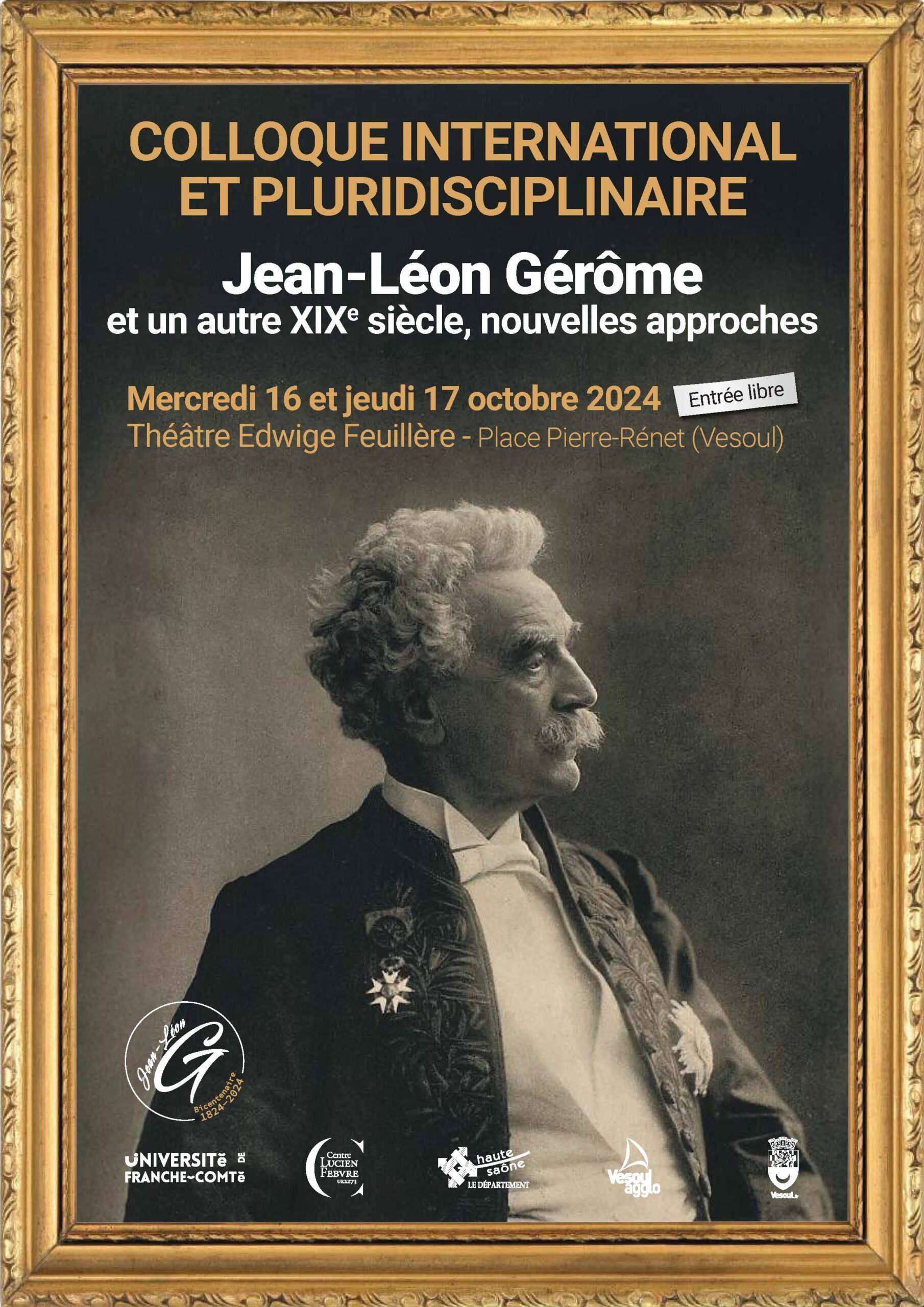
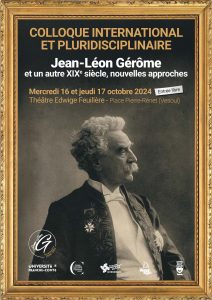 Colloque : « Jean-Léon Gérôme et un autre XIXe siècle, nouvelles approches » Vesoul, 16-17 octobre 2024 Colloque : « Jean-Léon Gérôme et un autre XIXe siècle, nouvelles approches » Vesoul, 16-17 octobre 2024
Théâtre Edwige-Feuillère, place Pierre-Rénet, Vesoul Entrée libre Réservation conseillée sur anneegerome2024[at]vesoul.fr
Voir : Programme, Résumés des interventions.
Le comité scientifique est placé sous la présidence d’Édouard Papet, conservateur général sculpture au musée d’Orsay, et se compose des membres suivants :
Hélène Jagot Directrice des Musées-Château de Tours Neil McWilliam Professeur émérite d’art et d’histoire de l’art Walter H. Annenberg (Duke University) Édouard Papet Conservateur général, département des sculptures (musée d’Orsay) Christine Peltre Professeure émérite d’histoire de l’art . . . → En lire plus
Posté par Le Centre allemand d'histoire de l'art de Paris, le 24 septembre 2024;
- Date et lieu de la journée d'études : Centre allemand d'histoire de l'art, 8 octobre 2024
En écho à celle de Paul Guillaume, dont la collection constitue le cœur du musée de l’Orangerie, la trajectoire parisienne du marchand allemand Heinz Berggruen invite à se pencher sur les collections de marchands. Des spécialistes du collectionnisme moderne replaceront son exemple dans un ensemble plus vaste et se demanderont, à travers des cas précis, ce qu’elles ont de spécifique ; pourquoi les marchands ont le souci de voir leurs collections pérennisées et comment présenter au public des musées les collections de marchands.Cette journée d’étude est organisée en lien avec l’exposition Heinz Berggruen, un marchand et sa collection du 2 octobre 2024 au 27 janvier 2025 présentée au musée de l’Orangerie, Paris
Mardi 8 octobre 202410h – 12h, au musée de l’Orangerie, Paris (dans les salles d’exposition)10 h Entretien . . . → En lire plus
Posté par Association 19-20, le 22 septembre 2024;
- Date et lieu de la journée d'étude : 12 octobre 2024, Dijon
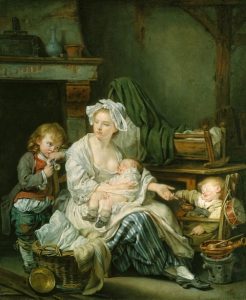 Journée d’études : « Nourrices et allaitements en images. Des mythes nourriciers au travail de la maternité » (Dijon, 12 octobre 2024) Journée d’études : « Nourrices et allaitements en images. Des mythes nourriciers au travail de la maternité » (Dijon, 12 octobre 2024)
Salon d’Honneur de l’Hôtel du département de la Côte-d’or, Dijon
Le travail des nourrices a suscité un regain d’intérêt à la suite des études conséquentes consacrées à l’histoire des femmes, de la vie privée et de la famille. Cette journée d’études est consacrée plus particulièrement à l’étude des images des nourrices ainsi que plus largement aux représentations de la maternité et de l’allaitement.
La journée d’études est prolongée le lendemain, dimanche 13 octobre, par des conférences et des rencontres tout public à Alligny-en-Morvan, où se . . . → En lire plus
Posté par Olivier Bonfait, le 19 septembre 2024;
- Date et lieu de la journée d'études : 14 novembre 2024, Université de Rouen Normandie – GrHis (Groupe de recherche en Histoire, Salle du Conseil (bât. B).
 Faire image au XVIIe siècle. Modèles et perspective Faire image au XVIIe siècle. Modèles et perspective
Journée d’études, 14 novembre 2024
Université de Rouen Normandie – GrHis (Groupe de recherche en Histoire, Salle du Conseil (bât. B).
Argument.
L’art, nécessairement au cœur de l’histoire de l’art, a subi une transformation majeure au XXe siècle avec la dissolution des unités rassurantes mais éphémères que furent les « arts du dessin » ou les « Beaux-Arts ». Cette évolution a précipité le passage vers une histoire ouverte et déhiérarchisée des objets artistiques, englobant une réflexion sur l’image, le visuel, les figures et les signes, la culture matérielle, voire l’ensemble . . . → En lire plus
Posté par Olivier Bonfait, le 14 septembre 2024;
- Date et lieu de la conférence : 9 octobre à 19h à l’Université de Genève, Uniphilosophes, Amphi Jeanne Hersch
À l’occasion de la venue de Griselda Pollock à Genève pour la remise du Prix Mondial Nessim Habif 2024 de l’Université de Genève, le Centre d’Art Contemporain Genève est heureux d’accueillir l’auteure pour une conversation autour de la parution de Maîtresses d’autrefois. Femmes, art et idéologie (312 pages, 20 euros, JRP|Editions, 2024).
Pionnière de l’histoire féministe de l’art et quarante ans après la publication de son ouvrage fondateur, co-écrit avec Rozsika Parker, Griselda Pollock revient sur leur recherche salutaire qui n’ajoute pas seulement des noms féminins au canon artistique mais modifie en profondeur l’écriture de l’histoire de l’art.
Griselda Pollock sera en conversation avec Giovanna Zapperi, professeure à l’université de Genève et préfacière de l’ouvrage, le jeudi 10 octobre à 18h30.
Une soirée organisée . . . → En lire plus
Posté par INHA, le 11 septembre 2024;
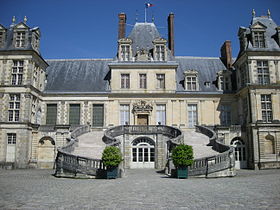 En 2024, la région autrichienne du Salzkammergut porte le titre de Capitale européenne de la culture. Si nous le mentionnons, c’est d’une part pour montrer qu’au-delà de Vienne, Linz ou Salzbourg, l’Autriche recèle des lieux culturels qui en font le pays invité de cette 14e édition du festival de l’histoire de l’art mais c’est aussi parce que cette région abrite le village d’Hallstatt. Ce charmant bourg de près de 800 âmes est inscrit sur la liste du patrimoine mondial de l’UNESCO, un classement qui ne l’a pas empêché d’être reconstruit à l’identique (lac inclus !) dans la province de Guangdong dans le sud-ouest de la Chine. Parler simplement d’Hallstatt a-t-il . . . → En lire plus En 2024, la région autrichienne du Salzkammergut porte le titre de Capitale européenne de la culture. Si nous le mentionnons, c’est d’une part pour montrer qu’au-delà de Vienne, Linz ou Salzbourg, l’Autriche recèle des lieux culturels qui en font le pays invité de cette 14e édition du festival de l’histoire de l’art mais c’est aussi parce que cette région abrite le village d’Hallstatt. Ce charmant bourg de près de 800 âmes est inscrit sur la liste du patrimoine mondial de l’UNESCO, un classement qui ne l’a pas empêché d’être reconstruit à l’identique (lac inclus !) dans la province de Guangdong dans le sud-ouest de la Chine. Parler simplement d’Hallstatt a-t-il . . . → En lire plus
Posté par Elliot ADAM, le 9 septembre 2024;
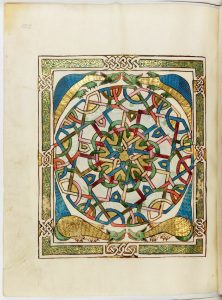 Séminaire : « Abstractions en période médiévale, séance 1 » (Paris, INHA, 17 septembre 2024, 14h-18h) Séminaire : « Abstractions en période médiévale, séance 1 » (Paris, INHA, 17 septembre 2024, 14h-18h)
Séminaire organisé par l’INHA et le domaine Histoire de l’art du IVe au XVe siècle, en partenariat avec l’EPHE, l’EHESS/CRH (UMR 8558), l’HiCSA et l’UMR 8167 (Orient et Méditerranée).
Abstraction : le mot est familier à l’histoire de l’art, mais le sens du terme se dérobe en dehors du contexte de l’Europe du début du XXe siècle. Dans le monde médiéval, géométrie, assemblages chromatiques et signes graphiques permettent d’évoquer des concepts, états ou réalités spirituels. Les cultures visuelles des mondes chrétien, juif et islamique ont recouru à des . . . → En lire plus
Posté par Olivier Bonfait, le 6 septembre 2024;
- Date et lieu de la journée d'études : 13 septembre, INHA; 14 septembre ENS., 13 septembre, INHA; 14 septembre ENS.
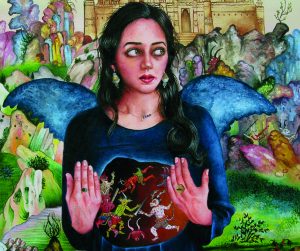
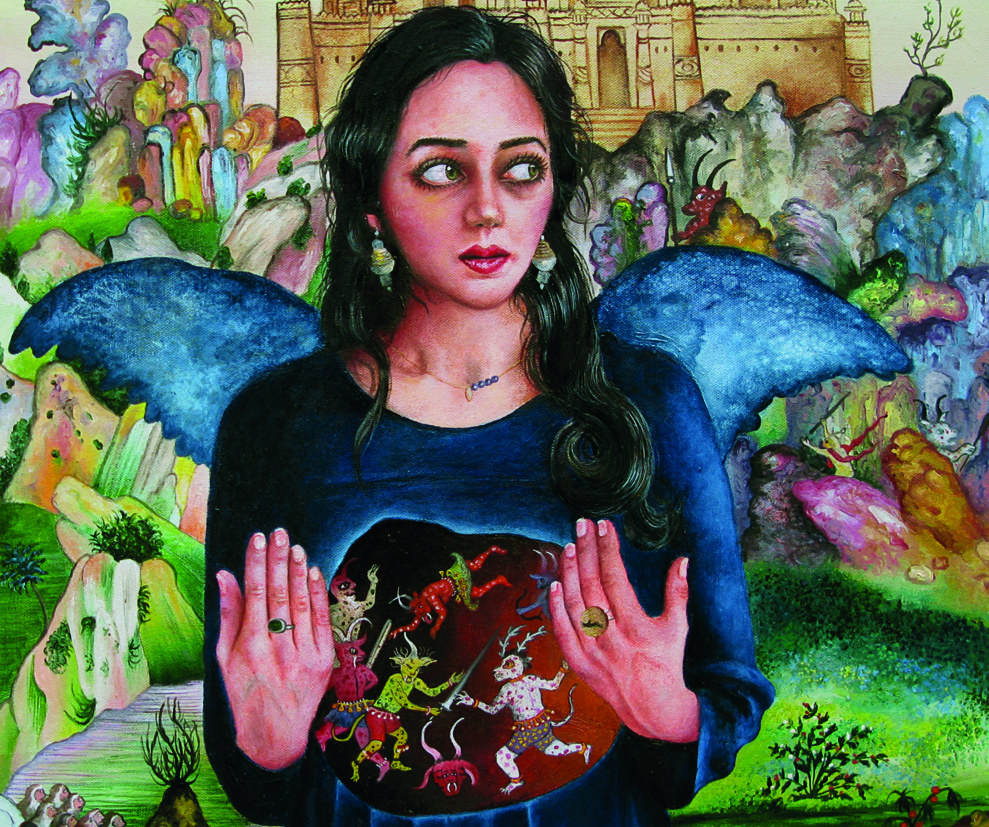
© Nazanin Pouyandeh, La légende oubliée (détail), 2012, huile sur toile, 65 x 54cm.
DANS L’INTIMITÉ DES ŒUVRES, AVEC NADEIJE LANEYRIE-DAGEN
Vendredi 13 septembre 9h30-18h à l’INHA Samedi 14 septembre 10h-18h à l’ENS
Ces deux journées sont organisées autour de Nadeije Laneyrie-Dagen, professeure en Histoire de l’art et directrice du Département Arts de l’ENS jusqu’en juin 2024. La première donnera la parole à des historiennes et historiens de l’art aux parcours divers, ayant . . . → En lire plus
Posté par Elliot ADAM, le 3 septembre 2024;
- Date de remise des propositions : 30 septembre 2024
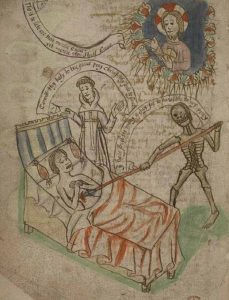 Appel à communication : « Les chartreux et les images. Nouvelles perspectives sur l’art et la culture dévotionnels cartusiens à la fin du Moyen Âge et durant la première modernité » (Louvain, KartHuis, 15-17 mai 2025). Appel à communication : « Les chartreux et les images. Nouvelles perspectives sur l’art et la culture dévotionnels cartusiens à la fin du Moyen Âge et durant la première modernité » (Louvain, KartHuis, 15-17 mai 2025).
Argumentaire
Malgré les affirmations de simplicité des fondateurs de l’ordre des chartreux, images et œuvres d’art sont très largement présentes dans les monastères cartusiens, en particulier à la fin du Moyen Âge et durant la première modernité.
À la fin du Moyen Âge, l’ordre cartusien connaît une expansion considérable ; les chartreuses sont alors souvent construites en lisière des villes et dépendent en grande partie des dons . . . → En lire plus
Posté par Olivier Bonfait, le 15 juillet 2024;
- Date limite : 1er octobre 2024
 The Getty Research Institute is pleased to announce that the 2025-2026 application for residential grants and fellowships for pre-docs, post-docs, and scholars is open as of July 1, 2024. Applications are due by October 1, 2024 at 5pm PT. The Getty Research Institute is pleased to announce that the 2025-2026 application for residential grants and fellowships for pre-docs, post-docs, and scholars is open as of July 1, 2024. Applications are due by October 1, 2024 at 5pm PT.
REPAIR For 2025–2026, Getty invites scholars and arts professionals to apply for a residential fellowship on the topic of repair, a theme that bridges time periods, world geographies, and professional practices. Situated between the forces of creation and destruction, the act of repair can be deeply transformative, with the potential to heal, alter, and renew the material environment. Scholars are asked to think critically about repair, questioning . . . → En lire plus
Posté par Olivier Bonfait, le 6 juillet 2024;
- Date limite : 30 septembre 2024
 Afin de soutenir l’ambition de l’Établissement public des musées d’Orsay et de l’Orangerie – Valéry Giscard d’Estaing en matière de recherche, la Fondation des Amis pour le rayonnement des musées d’Orsay et de l’Orangerie (FARMO), abritée à la Fondation de France, a lancé, en 2022, une bourse à destination des étudiants doctorants en histoire de l’art. Afin de soutenir l’ambition de l’Établissement public des musées d’Orsay et de l’Orangerie – Valéry Giscard d’Estaing en matière de recherche, la Fondation des Amis pour le rayonnement des musées d’Orsay et de l’Orangerie (FARMO), abritée à la Fondation de France, a lancé, en 2022, une bourse à destination des étudiants doctorants en histoire de l’art.
Après une deuxième édition en 2023 qui a permis d’attribuer quatre bourses de 30 000 euros sur trois ans . . . → En lire plus
|
Équipe Rédacteur en chef : Olivier Bonfait.
Rédacteurs : Elliot Adam (Moyen Age) ; Nicolas Ballet (XX-XXIe siècles) ; Matthieu Fantoni (musées) ; Antonella Fenech Kroke (bourses) ; Vladimir Nestorov (Lettre mensuelle)
Administrateur web : Matthieu Lett.
ancien éditeur : Pascale Dubus
anciens rédacteurs : Gautier Anceau, Sébastien Bontemps, Damien Bril ; Sébastien Chauffour ; Ludovic Jouvet ; Aude Prigot
|
 Rémi de Raphélis soutiendra sa thèse de doctorat intitulée :
 Les commentaires sont clos