
Journée d’étude
Dans le sillage de l’exposition « À déchiffrer : Suivre les traces dans les collections du MAMC+ » organisée par le Musée d’art moderne et contemporain de Saint-Étienne Métropole entre le 27 juin 2026 et le 3 janvier 2027, la journée d’étude sera également associée au week-end magnétique dédié à l’exposition, les 10 et 11 octobre 2026. Elle se propose de questionner le musée en tant qu’institution productrice de récits autorisés, participant à la construction de ce qui est rendu visible, reconnu et légitimé, tout en maintenant d’autres formes, pratiques ou subjectivités dans les marges, jusqu’à leur . . . → En lire plus
 Les commentaires sont clos
 Appels à communication
 Musées/expositions, Théorie et interprétation, XX-XXIe
The Making of Japanese Art History in the 20th Century September 3-4 (Th. & Fr.), 2026 | CATS, Heidelberg University, Germany
Submission Deadline: 15 June 2026 Acceptance notification by end of June 2026
More than 140 years have passed since European scholars, collectors, and institutions first articulated systematic frameworks for the study of Japanese art. Since then, “Japanese art history” has been produced across multiple sites—universities, museums, exhibitions, and publications—both within Japan and beyond. In recent decades, the “institutional turn” or seidoron in Japanese art history and museum studies has critically reshaped disciplinary self-understanding both in Japanese and English scholarships. “Japan” itself has increasingly been questioned as a stable or sufficient framework for interpreting artistic production and its histories. After the institutional turn, the question is: how has . . . → En lire plus
The Internationalisation of African Art
Loughborough University, London campus, Oct 15–16, 2026 Deadline: Jun 15, 2026
Organizers: Dr Jonathan Adeyemi (J.*********@******ac.uk) and Dr Kathryn Brown (k.*******@******ac.uk)
We are witnessing unprecedented interest in African modern and contemporary art through surging sales, increased institutional recognition, and the emergence of new collectors. The significant growth of auction sales, art fairs, and biennales is matched by enhanced museum attention to art and artists connected to Africa. This conference explores the epistemic cultures and collecting infrastructures pertaining to African art that are emerging from contemporary market activities. The aim of the conference is to stimulate new academic discourses about African modern and contemporary art and to consolidate the growing academic focus on emerging art markets in the global south. We welcome proposals for 20-minute presentations . . . → En lire plus
Time After Time: Art and Feminisms in the ’80s and ’90s
Università di Padova, Oct 15–16, 2026 Deadline: Jun 21, 2026
The international conference Time After Time: Art and Feminisms in the 1980s and 1990s aims to carry out an overview of current research on the relationships between art and feminisms in the 1980s and 1990s and seeks to provide a valuable opportunity for exchange and dialogue among researchers working on these topics. Since the early 2000s, studies on feminisms and gender issues in art history have proliferated in Italy. While the topic has been extensively explored in relation to the 1970s — a period of great momentum for the women’s movement in the West — the 1980s and 1990s have received considerably less scholarly attention. This gap concerns not . . . → En lire plus
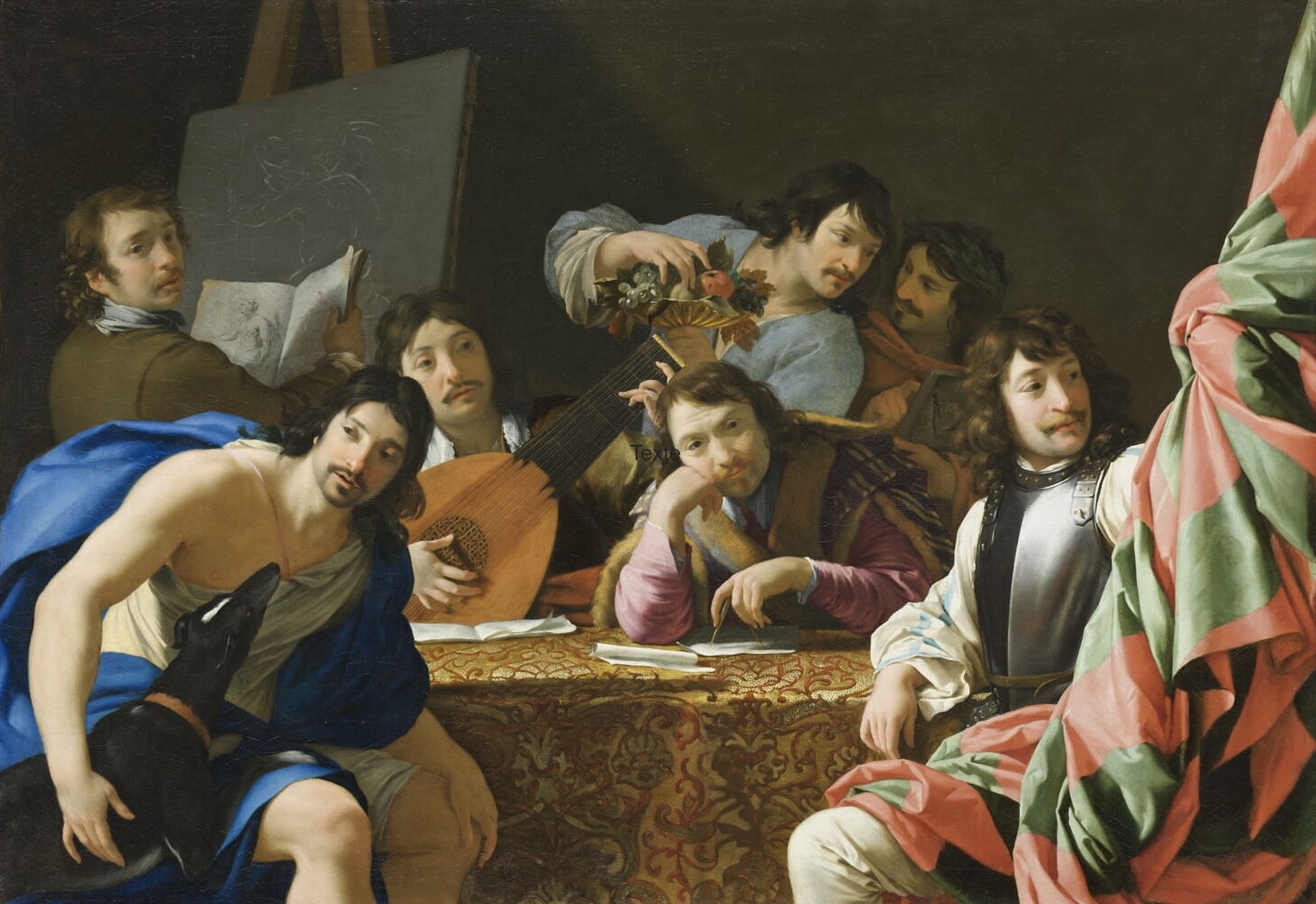 Appel à communications : « Le plaisir comme fin de l’art ? Statut et fonction du plaisir dans les théories et les pratiques artistiques de l’Europe du XVIIe siècle » (Lausanne, 26-28 nov. 2026)
26-28 novembre 2026, Université de Lausanne
« Sa fin est de plaire, et d’exciter en nous diverses passions », écrit Descartes à propos de la musique en 1618 ; « la poésie dramatique a pour but le seul plaisir des spectateurs », selon Corneille en 1660 ; quant à la peinture, « sa fin est la délectation », affirme Poussin en 1665. Alors que l’historiographie tend généralement à associer . . . → En lire plus
Les commentaires sont clos Appels à communication art et littérature, Europe, France, Historiographie, XVIIe siècle International Conference. Revealed Dance: Body, Image, Art, and Occultism in Modern Visual Culture.
Facultad de Geografía e Historia, Universidad Complutense de Madrid (Madrid, Spain), Oct 14–15, 2026 Deadline: Jun 1, 2026
At the turn of the 19th to the 20th century, dance, image, body, and stage occupied a central place in the artistic and cultural framework of modernity. During the same period, various occultist movements and practices experienced significant growth, leaving a fundamental impact on the art and culture of the time. Furthermore, both contexts became fertile grounds for the development of women´s artistic agency.
Considering these issues, this conference aims to explore the intersections between dance, art, and occultism, focusing on the influence of so-called “alternative spiritualities” on choreographic and artistic creations of the period, as well as the . . . → En lire plus
Zurbarán et le paradigme de l’artiste dévot Colloque international 18-20 janvier 2027 Paris Musée du Louvre, Médiathèque du Patrimoine et de la Photographie, Institut national d’histoire de l’art (INHA)
Appel à candidatures L’histoire de l’art moderne a fait de l’Espagne le lieu des artistes (et des spectateurs) dévots. Elle a établi que le principe de sa production artistique était le culte catholique, tandis que dans d’autres territoires sa dimension esthétique aurait été davantage explorée. Or, l’immense majorité de la production picturale en Europe à l’époque moderne fut religieuse. Dans le contexte post-tridentin, où le culte des images représentait une frontière entre catholiques et protestants, les artistes durent affronter le défi d’un art qui ne pouvait pas entrer en concurrence avec la puissance créative de Dieu, mais dont l’usage était dans . . . → En lire plus
Les commentaires sont clos Appels à communication Cultural Studies, Peinture, Sculpture, Technique/matériau, Théorie et interprétation, XVIIe siècle Coding Provenance: Workshop on Computational Provenance Research
Getty Research Institute, Los Angeles, USA, Dec 1–04, 2026 Deadline: May 18, 2026
The Coding Provenance workshop is an annual series devoted to training in computational techniques for provenance research. Bringing together scholars and practitioners from fields such as provenance studies, art history, history, material culture, and cultural/social anthropology, the workshop explores how computational methods and techniques can open new pathways for analyzing, interpreting, and rethinking provenance data. Over the course of four days, participants engage in a dynamic program that combines lectures, hands-on sessions, and open discussions. We explore how artificial intelligence can assist with collecting, structuring, analyzing, and visualizing provenance data. Alongside technical training, the workshop provides a space for critical reflection on epistemological and methodological challenges that arise when digitizing . . . → En lire plus
Revolution and Canon: International Classicisms around 1800.
Karlsruher Institut für Technologie – Institut für Kunst- und Baugeschichte, Nov 19–20, 2026 Deadline: May 25, 2026
At a time of fundamental social and political upheaval, when the emancipatory impulses of the revolutions in the United States and France were making themselves felt across the world, architecture around 1800 turned back to the canon of classical forms. This apparent tension between bourgeois transformation and cultural continuity continues to raise questions of both a historical and historiographical nature: • Historically, it is necessary to identify the driving forces and conditioning factors behind the international search for a binding classicist canon of values. What means were deployed? What intentions lay behind them? How do these differ from place to place, and how are . . . → En lire plus
French Nineteenth-Century Art Network Summer Symposium: Lightning Talks
Online, Jun 18, 2026 Deadline: May 8, 2026
Did you conduct archival research this year? Write a dissertation chapter or an article? Find inspiration while reading, visiting museums, or traveling? As a wrap-up to the 2025–26 academic year, we invite speakers to give brief lightning talks (8–10 minutes) on an aspect of their current research. Any topic related to Francophone visual and material culture within the long nineteenth century is welcome. We hope to provide a platform for emerging scholars to workshop developing ideas and to engage with an informed, supportive audience, and we actively encourage presentations on projects that are still in progress. Let’s highlight together your fantastic research and celebrate the start of summer!
If you are a current graduate . . . → En lire plus
Appel à contribution : Mini conférences en histoire de l’art et archéologie, « Patrimoine en danger : raviver, résister, réimaginer », Institut national d’histoire de l’art, 19 et 20 septembre 2026
Les 19 et 20 septembre 2026, à l’occasion des Journées européennes du patrimoine, l’Institut national d’histoire de l’art accueille un large public dans la galerie Colbert et la salle Labrouste. Cette 43e édition, placée sous le thème « Patrimoine en danger : raviver, résister, réimaginer », invite à réfléchir à l’étude, la protection et la valorisation des patrimoines culturels et naturels menacés.
Ces deux journées fournissent l’occasion de valoriser la diversité des approches scientifiques portées par les archéologues, historiennes et historiens de l’art, ainsi que par l’ensemble des chercheuses et chercheurs travaillant sur ces enjeux. À cette occasion, les . . . → En lire plus
What is a photographic society or club? How do photographic clubs and societies foster community, educate, and serve as social networking bodies?
Assessing amateur photographic communities as a phenomenon is more urgent than ever because many of these minor groups were poorly documented at the time, and the majority of their collections have been broken up, dispersed, or lost. These amateur groups show the unrestricted flow of photographic knowledge, often through exhibition, unimpeded by geography or language, and made possible by the efficacy of print communities. Some amateur societies and clubs were founded for specific specialisms, concerns, and aesthetic preferences in a variety of locations, while others evolved from . . . → En lire plus
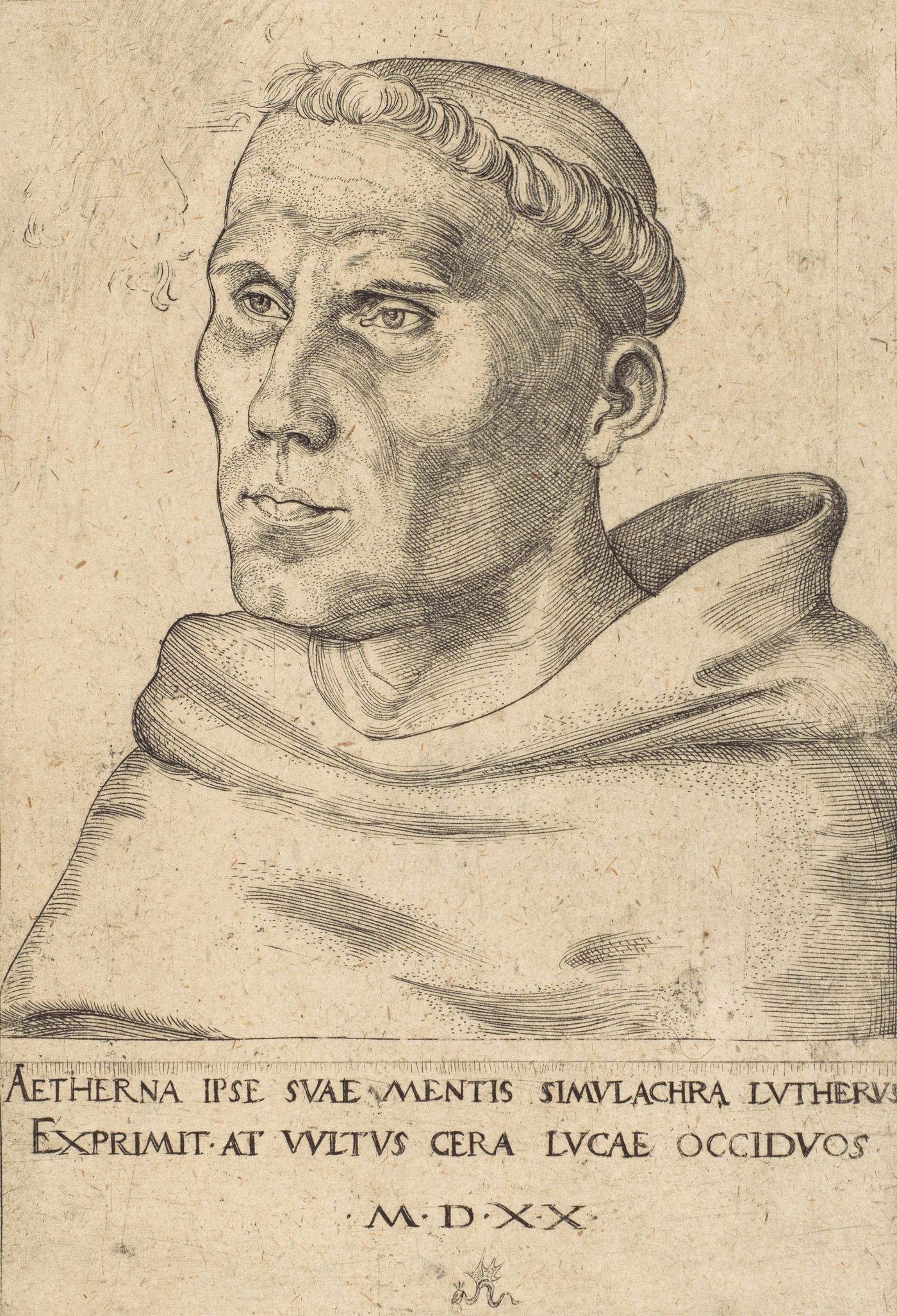 Drawn and printed – new approaches to the graphic work of Lucas Cranach the Elder and his Sons.
Technische Hochschule Köln, Oct 16–17, 2026
Since 2023, an interdisciplinary research team, funded by the DFG and the Ernst von Siemens Art Foundation, has been systematically investigating and cataloguing drawings and prints from the Cranach workshop. The results will be published soon online in the Cranach Digital Archive.
The symposium aims to examine and reflect on the drawings and prints from the Cranach workshop within a broader context, encompassing both art history and artists’ techniques. In the process the drawings will not . . . → En lire plus
Jours de l’art – (Re)-Voir le monde : 200 ans de collaboration entre art, archéologie et photographie.
Paris, Institut catholique de Paris, Oct 14, 2026–Mar 24, 2027
Désormais inscrits comme un rendez-vous régulier et attendu de l’Institut catholique de Paris, les Jours de l’art entament leur seizième édition. Ce cycle de conférences en histoire de l’art, gratuit et ouvert à tous, se déploie sur les deux semestres de l’année universitaire 2026-2027 (entre septembre et avril). Dans le cadre des cursus de licence et de master de la Faculté des Lettres, il propose des rencontres régulières qui apportent un complément aux enseignements généraux en abordant des sujets spécifiques, et créent un lieu d’échanges interdisciplinaires entre étudiants, enseignants et public extérieur.
Pour cette nouvelle . . . → En lire plus
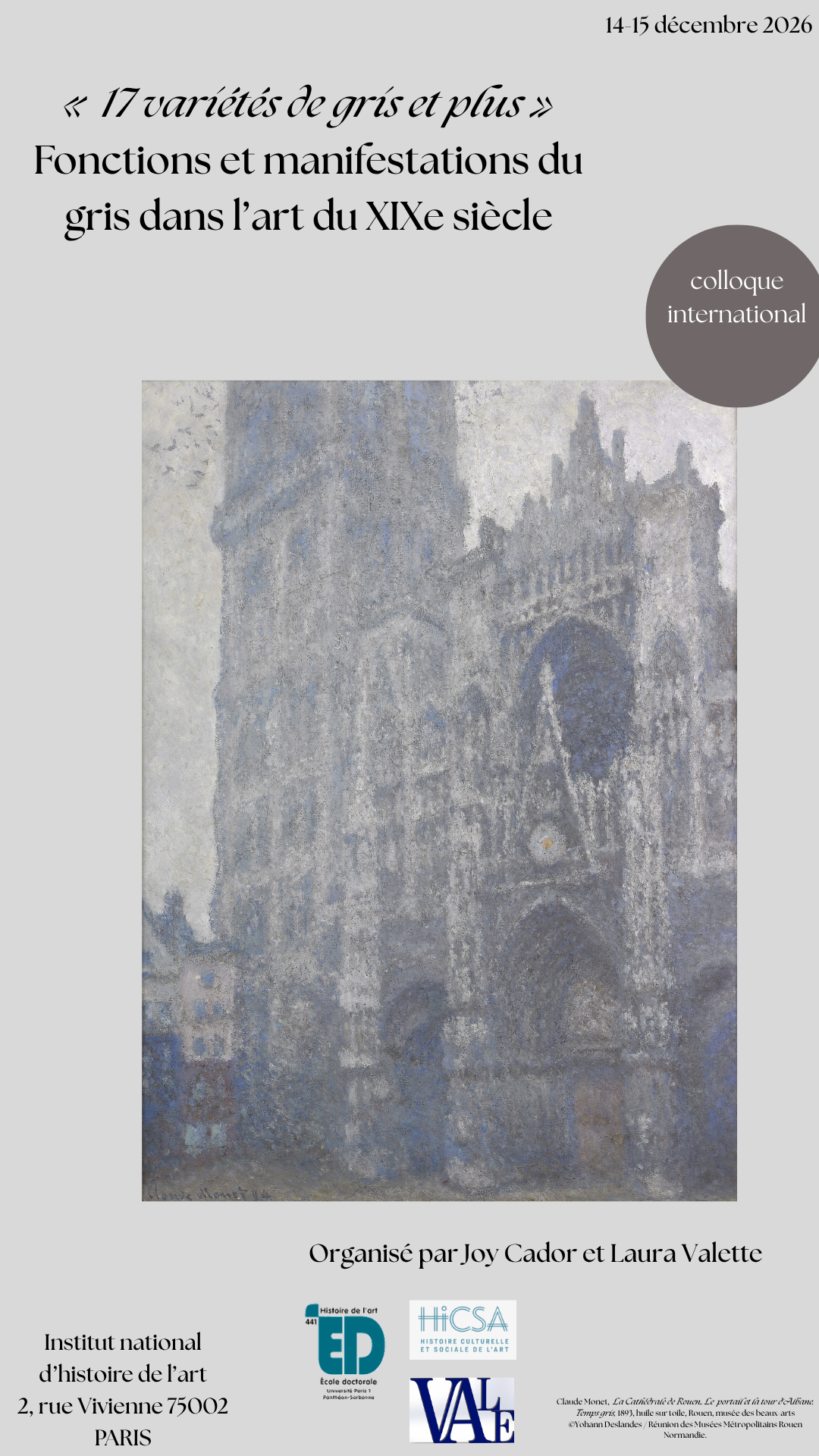 Appel à communications : « 17 variétés de gris et plus. Manifestations et fonctions du gris dans l’histoire de l’art du XIXe siècle » (Paris, INHA, galerie Colbert, 14-15 décembre 2026)
Dans une conférence donnée à la Fondation de l’Hermitage de Lausanne le 17 octobre 2019, l’historien de l’art Michel Pastoureau confessait « ne jamais [avoir] écrit sur le gris » et ne « pas souvent [avoir] parlé du gris », alors même qu’il y aurait « beaucoup à dire » : « pour un peintre », affirmait-il, « c’est la plus riche de toutes les couleurs, car elle . . . → En lire plus
Appel à communications / Call for papers
Des femmes et des fleurs ? Réinvestir les fleurs au prisme du genre, années 1840 – années 1930 Of Women and Flowers? Re-examining flowers through the lens of gender, 1840s–1930s Colloque organisé les 22 et 23 octobre 2026, à Montréal Conference to be held on 22 and 23 October 2026, in Montreal
Depuis quelques décennies, l’histoire sociale de l’art nous invite à reconsidérer l’omniprésence des fleurs non seulement dans les arts visuels, mais aussi, plus généralement, dans nos vies et dans nos sociétés. Les fleurs ont ainsi pu être examinées comme des marqueurs de classe sociale (Chansigaud 2014 ; Le Foll 2023) ou abordées en considérant les coûts environnementaux et coloniaux directs et indirects de leur production (Zinnenburg Caroll 2017 ; Blais 2023). . . . → En lire plus
Les commentaires sont clos Appels à communication Cultural Studies, études de genre, XIXe, XXe siècle

Frans Floris (1515–1570), Allégorie de la Géométrie, vers 1550-1560, Collection particulière. (Wikipedia commons)
Académie de France à Rome – Villa Médicis 2 et 3 décembre 2026 Organisé par le CNRS/Centre André-Chastel, l’Université Grenoble Alpes/LARHRA et l’Académie de France à Rome – Villa Médicis Langues du colloque : français, italien et anglais
Les XVe et XVIe siècles sont communément considérés – au moins depuis le travail fondateur de Jacob Burckhardt[1] – comme l’âge de la « découverte » européenne du « Nouveau Monde » ou de l’« Autre Monde . . . → En lire plus
Les commentaires sont clos Appels à communication Art et science, Histoire culturelle ; histoire visuelle ; représentations, image, représentation de l'espace, XVe-XVIe siècles APPEL À COMMUNICATION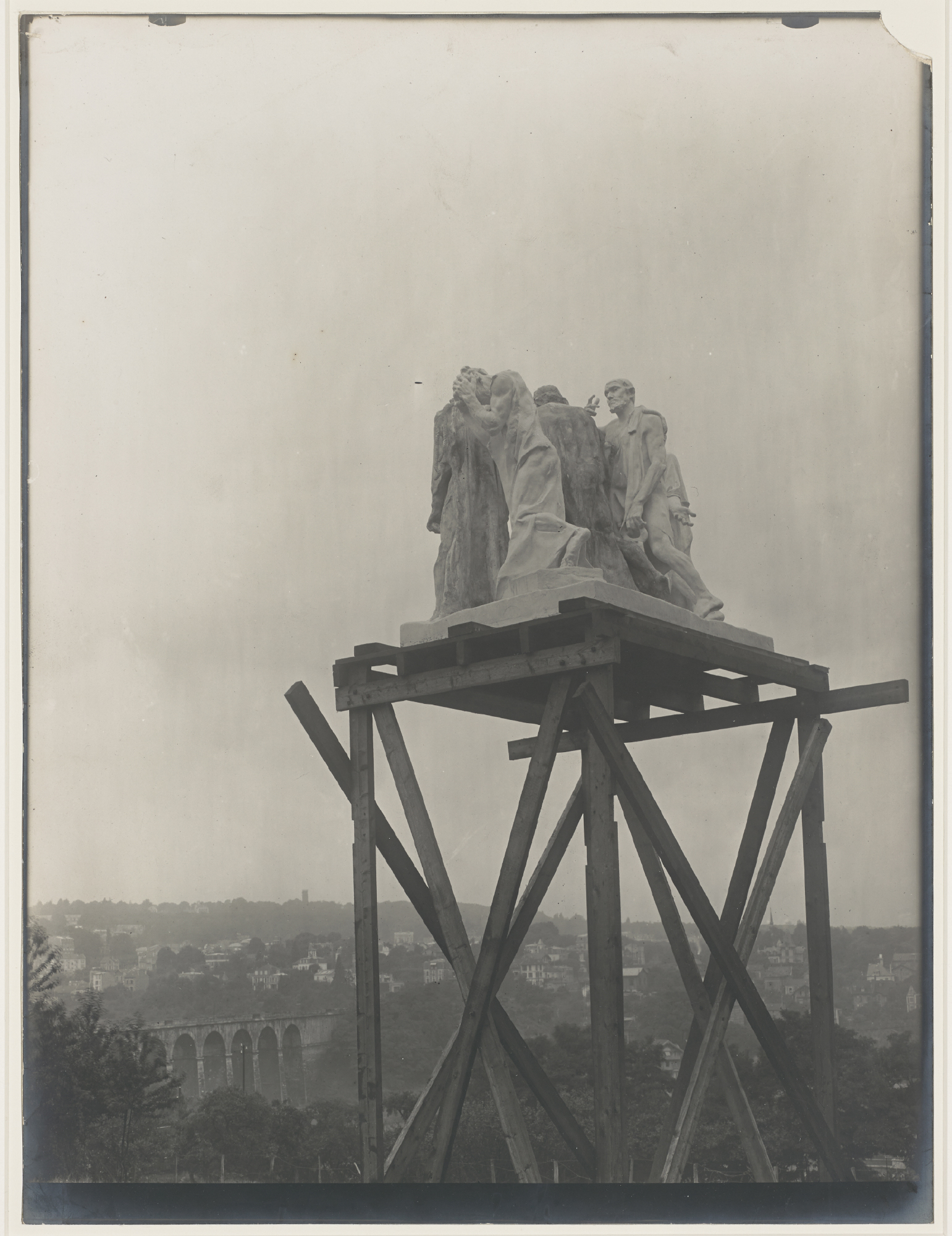
13e journée de la jeune recherche en sculpture
Le Public du monument (1789-2026) : la célébration collective en question
Vendredi 9 octobre 2026
Paris, musée Rodin, auditorium Léonce Bénédite et retransmission en ligne
Sous la direction de Thierry Laugée, professeur d’histoire de l’art contemporain, Nantes Université, CReAAH-LARA
« C’est ainsi que la République savait impressionner les masses en les faisant participer à ces grandes représentations nationales. » (Pierre-Jean David d’Angers, « Fêtes nationales », Dictionnaire politique. Encyclopédie du langage et de la science politiques, Paris, Pagnerre, 1842, p. 400-401).
Par ces mots . . . → En lire plus
 Cette journée d’étude interrogera les enjeux symboliques, politiques, esthétiques et techniques du déplacement des sculptures monumentales en France à l’époque moderne. En s’intéressant aux œuvres situées dans l’espace public ou dans des lieux accessibles au public, il s’agira d’examiner les raisons, les modalités et les effets de ces transferts. Ces déplacements impliquent en effet des reconfigurations profondes du sens, de la réception et de l’ancrage spatial des sculptures.
Le déplacement des sculptures est au cœur de nombreux débats depuis quelques années, notamment lorsque surgit la question de la légitimité de certaines figures historiques dans l’espace public. Si ce questionnement . . . → En lire plus
 Appel à communication
Colloque
« L’image à Cluny et dans les sites clunisiens (Xe – XIVe siècle). Circulation, échanges et évolution des discours iconographiques au sein de l’Ecclesia cluniacensis »
Depuis plus d’un siècle, une vaste historiographie consacrée à l’abbaye de Cluny a profondément renouvelé la compréhension des projets de réforme de l’établissement, des liens entretenus avec les pouvoirs séculiers et l’Église ainsi que des modalités d’affirmation d’une ecclésiologie spécifiquement clunisienne. Bien qu’abondante, cette production scientifique reste cependant largement fondée sur des sources textuelles. Au sein de cet ensemble foisonnant, quelques . . . → En lire plus
