Posté par Olivier Bonfait, le 2 juin 2026;
- Date limite : 20 aout 2026
L’art contemporain, de la production de l’œuvre à sa conservation
Les œuvres d’art contemporain, depuis les années 1960, dans leur diversité même, se distinguent des créations antérieures par la disparition des normes formelles ou matérielles présidant à leur réalisation. La conservation de ce patrimoine pose un faisceau de questions inédites, portant sur l’analyse critique de l’œuvre et la compréhension du projet artistique permettant de définir les critères d’authenticité et de légitimité des interventions de pérennisation. L’ambition de ce numéro est d’apporter des éclairages nouveaux dans un domaine où les problématiques ne se réduisent pas aux seules dimensions techniques ou scientifiques, mais explorent aussi les limites doctrinales de la discipline.
Argumentaire
Les œuvres d’art contemporain, depuis les années 1960, dans leur diversité même, se distinguent des créations antérieures par la . . . → En lire plus
Posté par Olivier Bonfait, le 2 juin 2026;
- Date et lieu de la journée d'études : 18 juin 2026, BNU, Strasbourg
IA et image dans le livre ancien : Le projet ‘Ovide en image à la Bnu’ et au-delà.
Cette journée est coordonnée par Céline Bohnert, maîtresse de conférences à l’Université Reims Champagne et rattachée à l’UR 3311 CRIMEL (Centre de recherche interdisciplinaire sur les modèles esthétiques et littéraires), en résidence de chercheur à la Bibliothèque nationale et universitaire de Strasbourg au premier semestre 2026 et Catherine Désos-Warnier, conservateur en chef des bibliothèques, chargée des partenariats Recherche et Innovation de la Bnu.
La journée a été conçue comme un séminaire de travail qui vise à interroger les apports des IA pour l’étude de l’image dans le livre ancien, depuis les premiers incunables jusqu’au XVIIIe siècle. Les fonds anciens illustrés sont actuellement . . . → En lire plus
Posté par Centre Dominique-Vivant Denon, le 2 juin 2026;

Jacques-Ernest Bulloz, La Main de Dieu d’Auguste Rodin, après 1918, épreuve gélatino-argentique virée, Paris, musée Rodin, Ph.04857 © musée Rodin – photo Jean de Calan
Michelangelo Buonarroti, dit Michel-Ange (1475-1564) et Auguste Rodin (1840-1917) occupent une place à part ou, plus justement, centrale dans l’histoire de la sculpture occidentale. Ils apparaissent comme deux génies, deux géants qui en viennent à incarner la figure du sculpteur, chacun à leur époque de manière écrasante, dans un écho qui s’est prolongé, voire amplifié, jusqu’à nos jours.
La renommée artistique est aujourd’hui chose bien étudiée, notamment depuis . . . → En lire plus
Posté par Centre Dominique-Vivant Denon, le 2 juin 2026;

« R comme Regarder. Le livre photo jeunesse – pour une autre expérience de l’exposition »Conférence par Anne Lacoste, directrice de l’institut pour la photographie, Lille, dans le cadre de l’atelier jeunes chercheur.e.s Musée et photographie : Archéologie et histoire de l’art, organisé par le musée du Louvre et l’Ecole du Louvre.9 juin 2026, 17h30-19h30Amphithéâtre Goya de l’Ecole du LouvreSur inscription : Pr*******************************@****re.fr« R comme Regarder » est une exposition qui propose une exploration du livre photo jeunesse, depuis son essor industriel dans les années 1930 jusqu’à aujourd’hui. Cette production minoritaire dans le paysage éditorial rend . . . → En lire plus
Posté par INHA, le 2 juin 2026;
- Date : Lundi 8 juin de 13h30 à 15h00, Lundi 8 juin de 13h30 à 15h00

ECHOES a pour mission de créer le cloud collaboratif européen dédié au patrimoine culturel. Cette infrastructure partagée facilitera la collaboration entre les professionnels du patrimoine et les chercheurs, en leur fournissant un accès aux données, aux ressources scientifiques, aux formations et à des outils numériques avancés, adaptés à leurs besoins particuliers. L’objectif est de créer un environnement numérique dans lequel les ressources seront accessibles librement aux utilisateurs qui pourront interagir avec une nouvelle génération de biens patrimoniaux, les communs numériques, à la fois riches en contenu sémantique et élaborés de manière collective. En manipulant et en enrichissant les données . . . → En lire plus
Posté par jcerman, le 31 mai 2026;
- Date et lieu du colloque : 10-11 juin 2026, Agde
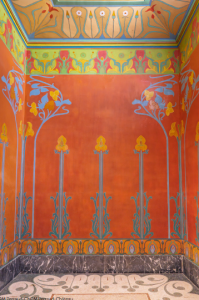
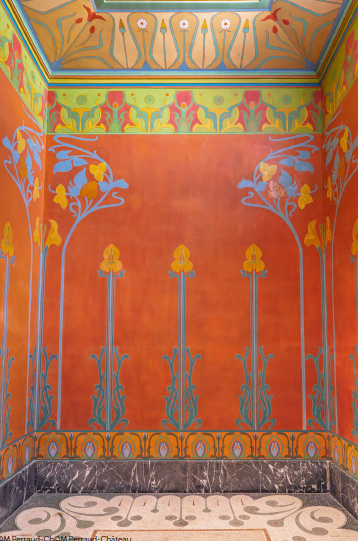
Colloque international : « Art nouveau et éclectisme » (château Laurens, Agde, 10-11 juin 2026)
À l’occasion de la Journée mondiale de l’Art nouveau, le château Laurens en partenariat avec L’École Pratique des Hautes Études (EPHE) et l’Université d’Artois, présente un colloque, invitant des spécialistes autour de la question : « Art nouveau et éclectisme ».
Depuis 2013, la Journée mondiale de l’Art nouveau célèbre ce courant artistique. La date du 10 juin a été choisie en hommage à Antonio Gaudí et à Ödön Lechner, tous deux décédés ce jour-là. Ce colloque sera l’occasion d’explorer les inspirations multiples de l’Art nouveau — du gothique au rocaille, de . . . → En lire plus
Posté par direction études et recherche INHA, le 31 mai 2026;
- Date et lieu de la conférence : 16 juin 2026, Paris
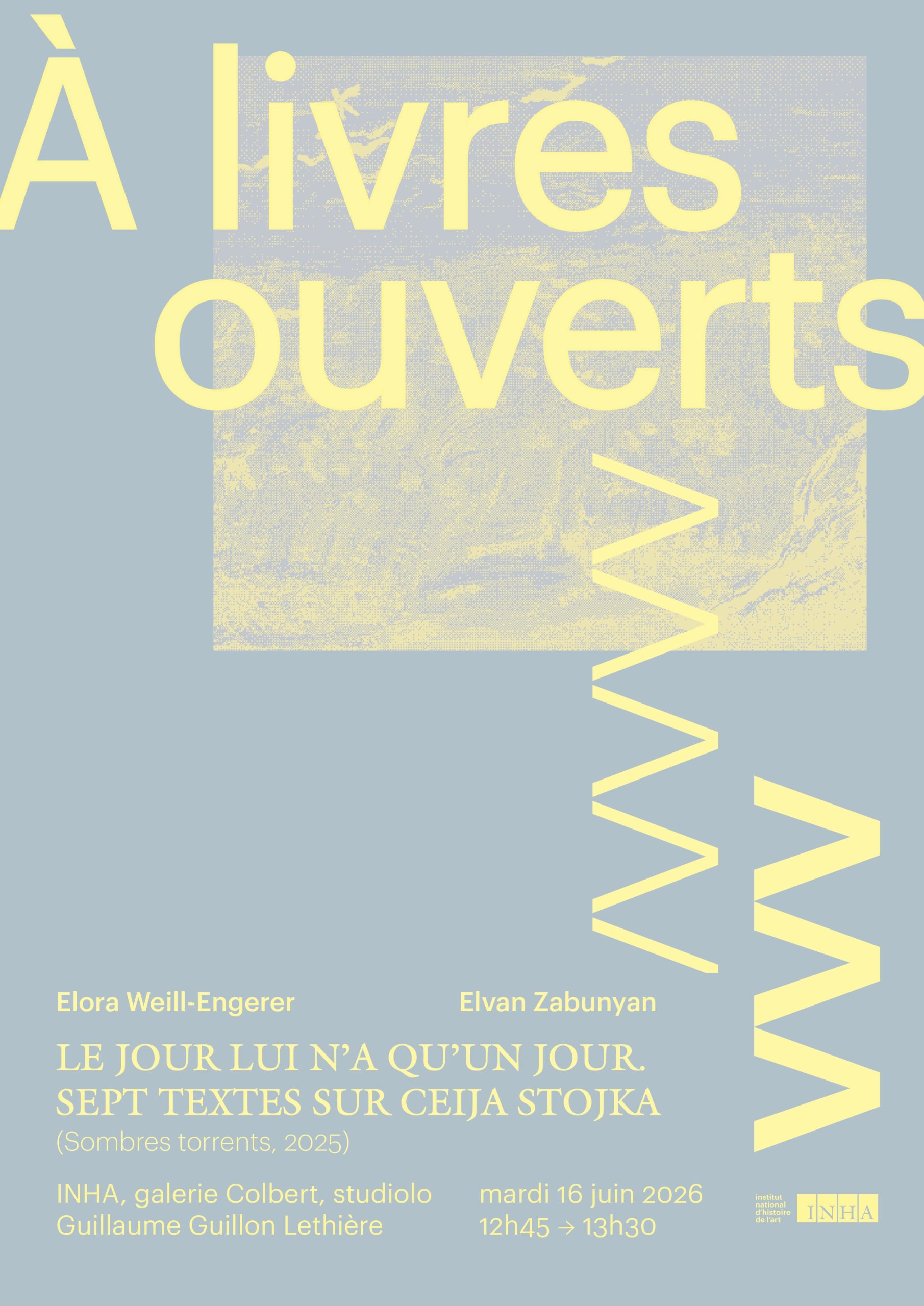
 Présentation de l’ouvrage d’Elora Weill-Engerer, Le jour lui n’a qu’un jour. Sept textes sur Ceija Stojka (Sombres torrents, 2025) – cycle « À livres ouverts » (Paris, INHA, 16/06/2026) Présentation de l’ouvrage d’Elora Weill-Engerer, Le jour lui n’a qu’un jour. Sept textes sur Ceija Stojka (Sombres torrents, 2025) – cycle « À livres ouverts » (Paris, INHA, 16/06/2026)
Née en 1933 à Kraubath en Styrie (Autriche) dans une famille rom-lovara de marchands de chevaux, Ceija Stojka est la cinquième d’une fratrie de six enfants. Déportée à l’âge de 10 ans avec sa mère et d’autres membres de sa famille, elle survit à trois camps de concentration : Auschwitz-Birkenau, Ravensbrück et Bergen-Belsen. Quarante-cinq ans plus tard, en 1988, elle entame un important travail de mémoire. Elle publie quatre . . . → En lire plus
Posté par direction études et recherche INHA, le 31 mai 2026;
- Date et lieu de la conférence : 2 juin 2026, Paris
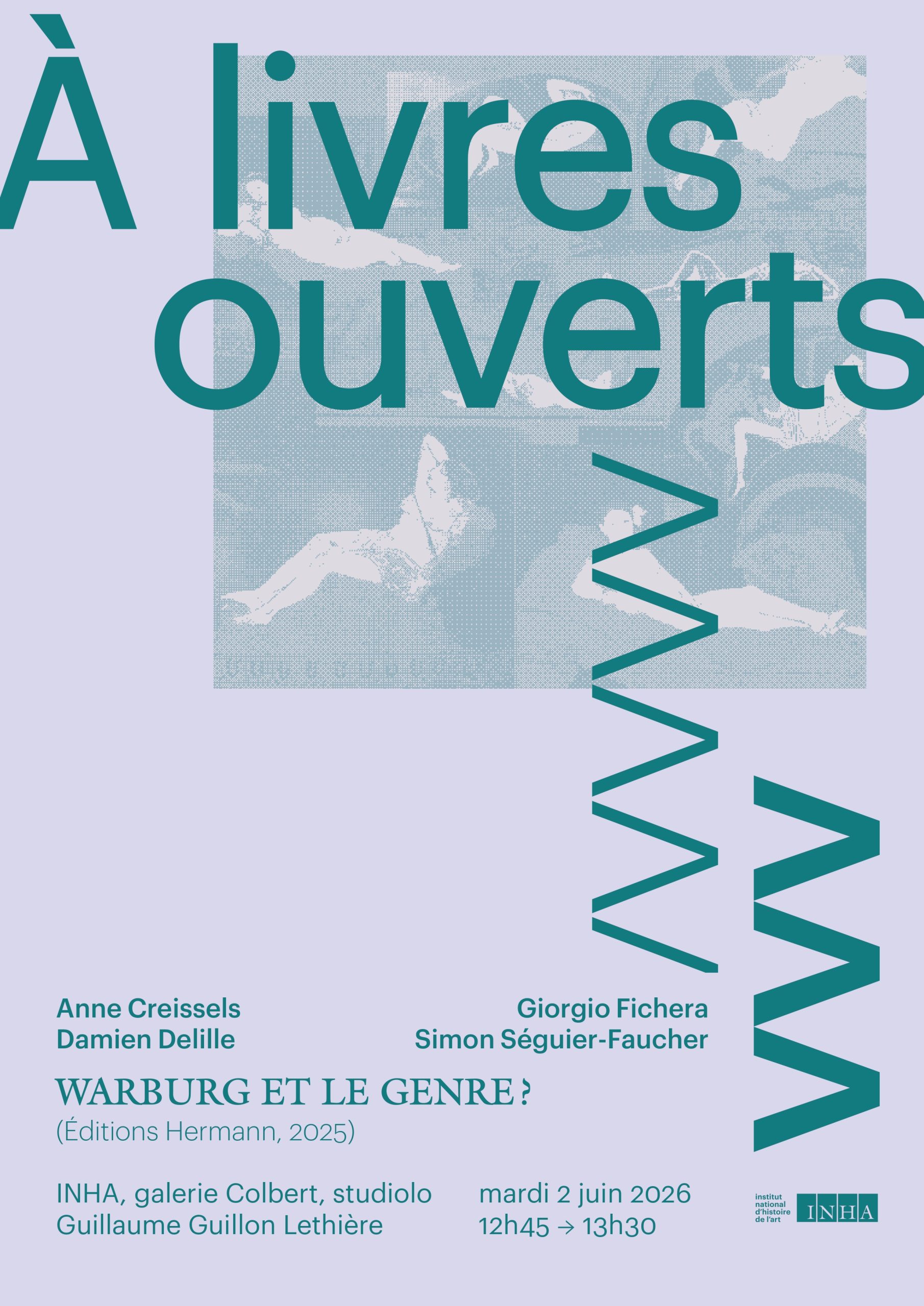
 Présentation de l’ouvrage : Warburg et le genre ? Montages et démontages, mémoires affectées et formes artistiques du savoir (Éditions Hermann, 2025) – cycle « À livres ouverts » (Paris, INHA, 02/06/2026) Présentation de l’ouvrage : Warburg et le genre ? Montages et démontages, mémoires affectées et formes artistiques du savoir (Éditions Hermann, 2025) – cycle « À livres ouverts » (Paris, INHA, 02/06/2026)
Warburg et le genre : l’articulation n’a rien d’évident et réclame sans doute un point d’interrogation. Considéré comme le père fondateur de l’iconologie moderne, Aby Warburg (1866-1929) a profondément renouvelé la pratique de l’histoire de l’art, en particulier à travers son atlas d’images Mnémosyne ; il a plus largement ouvert la voie à une anthropologie du visuel fondée sur les concepts-clés de « survivance » et . . . → En lire plus
Posté par direction études et recherche INHA, le 31 mai 2026;
- Date et lieu de la conférence : 11 juin 2026, Paris
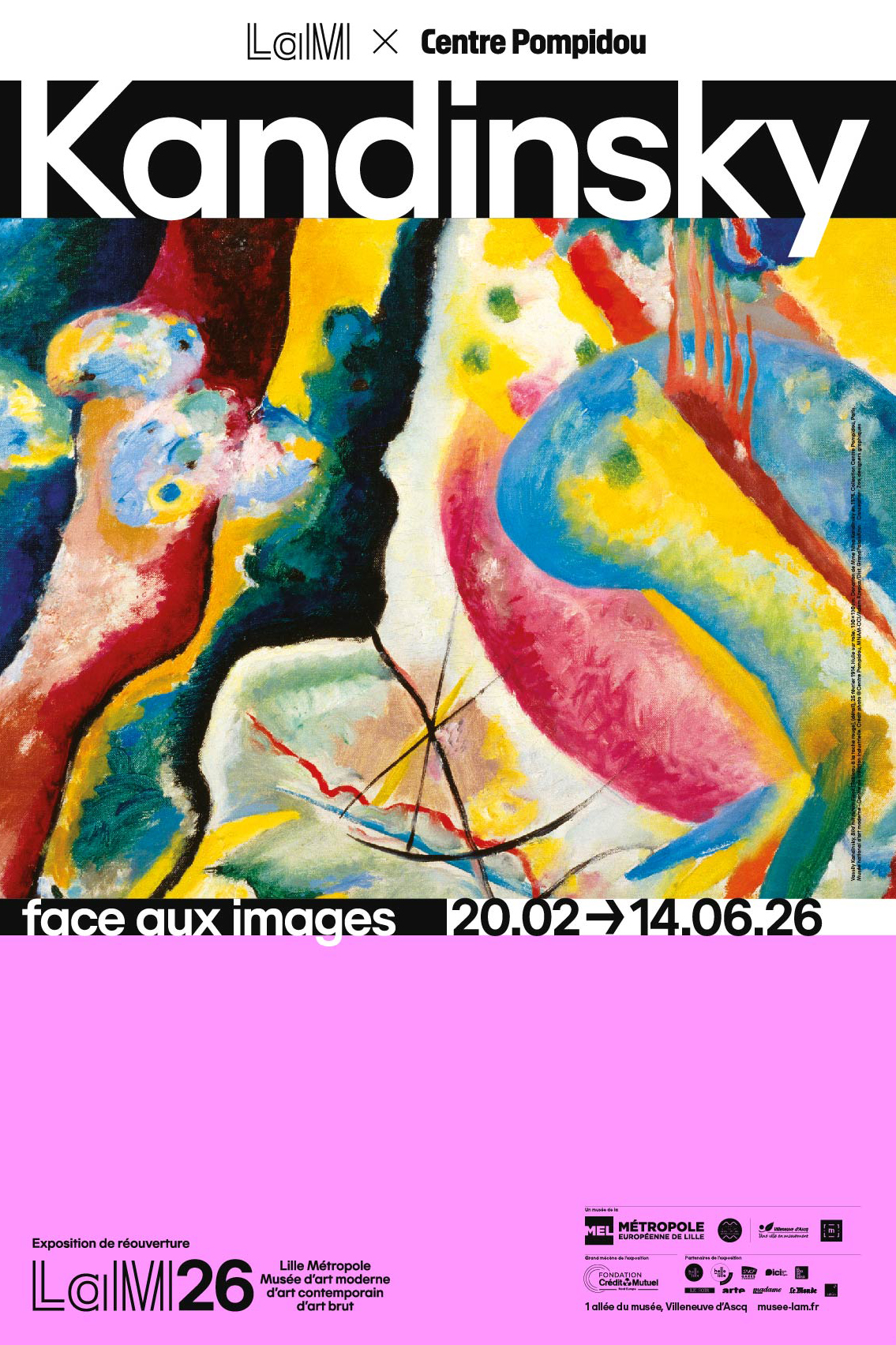
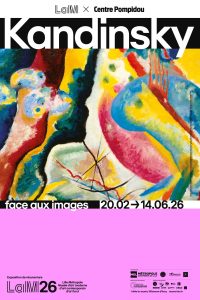 Conférence : « La culture visuelle de Vassily Kandinsky », cycle « Les Voix de l’histoire de l’art » (Paris, INHA, 11/06/2026) Conférence : « La culture visuelle de Vassily Kandinsky », cycle « Les Voix de l’histoire de l’art » (Paris, INHA, 11/06/2026)
En écho à l’exposition Kandinsky face aux images (20 février – 14 juin 2026, LaM) et aux publications de son catalogue et de l’essai Kandinsky et l’image photographique d’Hélène Trespeuch (Les Presses du réel, 2026), la rencontre réunit les commissaires Jeanne-Bathilde Lacourt, Angela Lampe et Hélène Trespeuch afin d’analyser la culture visuelle de Vassily Kandinsky. Peintre abstrait tourné vers le spirituel et l’intériorité, l’artiste entretient pourtant un rapport étroit avec les images photographiques, les publications scientifiques et les illustrations . . . → En lire plus
Posté par direction études et recherche INHA, le 31 mai 2026;
- Date et lieu de la conférence : 10 juin 2026, Paris
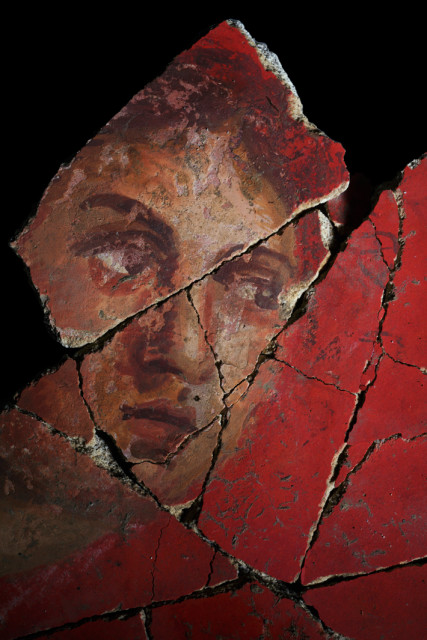
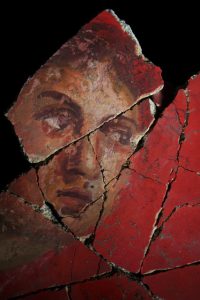 « Des vestiges et des images : archéologie et histoire de l’art, relations en mutation », conférence de lancement des Journées européennes de l’archéologie (Paris, INHA, 10 juin 2026) « Des vestiges et des images : archéologie et histoire de l’art, relations en mutation », conférence de lancement des Journées européennes de l’archéologie (Paris, INHA, 10 juin 2026)
Longtemps considérées comme des disciplines voisines mais distinctes, l’archéologie et l’histoire de l’art se doivent, aujourd’hui, d’entretenir un dialogue de plus en plus étroit. Après avoir présenté les origines des disciplines, à Babylone sous le règne du roi Nabonide, cette conférence-débat se propose d’explorer l’évolution de leurs relations, depuis les premières approches centrées sur l’objet et le style jusqu’aux méthodes contemporaines mêlant contexte, matérialité, techniques scientifiques et humanités numériques. Elle montrera comment ces échanges renouvellent notre compréhension des . . . → En lire plus
Posté par Hélène Trespeuch, le 31 mai 2026;
- Date et lieu des journées d'étude : 4-5 juin 2026, Lyon
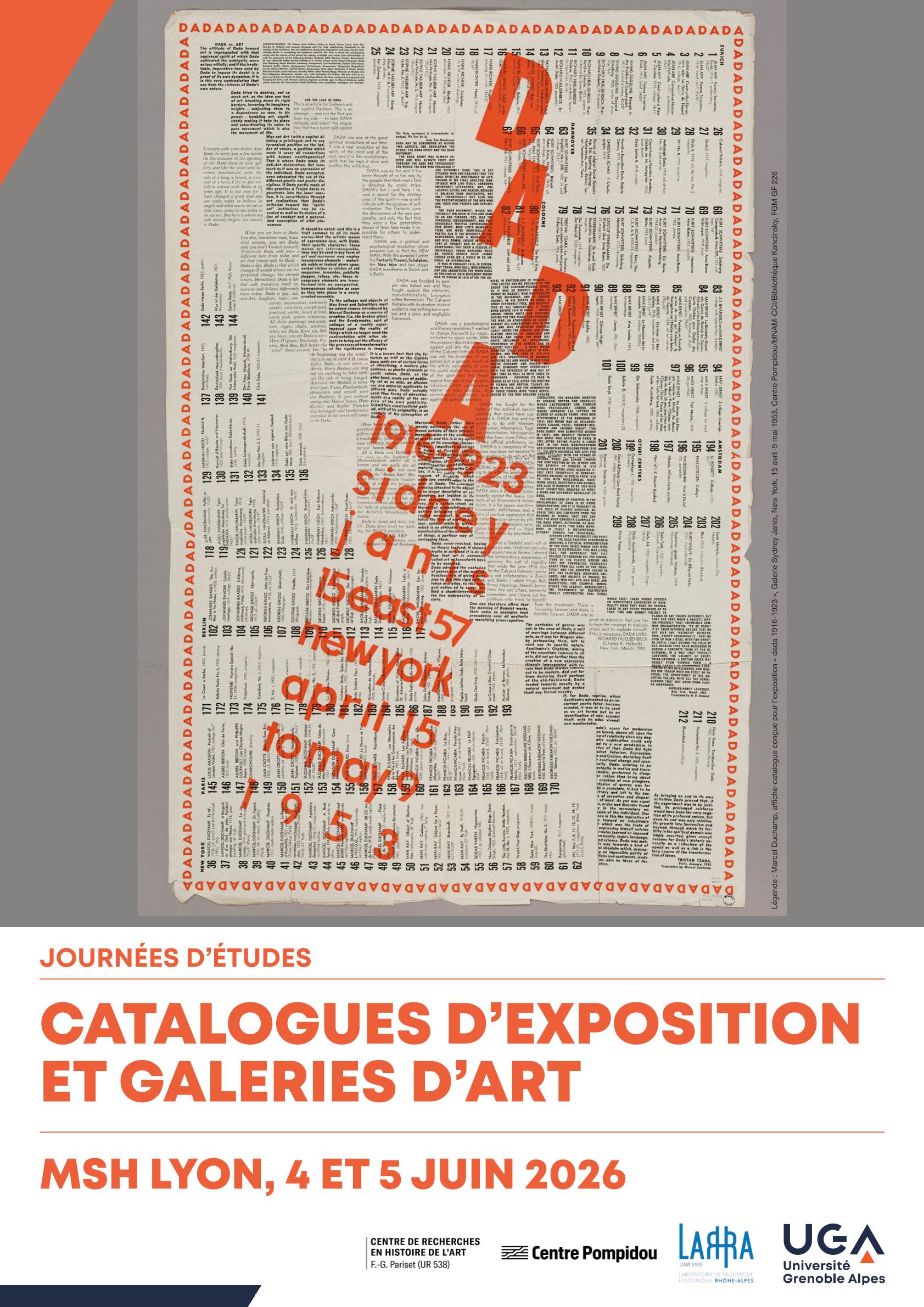
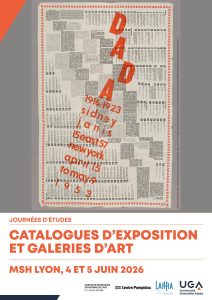 Journées d’études : « Catalogues d’exposition et galeries d’art » (Lyon, 4-5 juin 2026) Journées d’études : « Catalogues d’exposition et galeries d’art » (Lyon, 4-5 juin 2026)
Cette journée s’inscrit dans le cadre de la série de journées d’étude consacrées depuis 2023 à l’étude du catalogue d’exposition comme objet d’étude en soi, dans ses dimensions historique, matérielle et culturelle. Après avoir défini cet objet éditorial dans sa diversité (L’exposition à l’ouvrage. Histoire, formes et enjeux du catalogue d’exposition, 2023, publication 2025), envisagé son rapport à l’histoire (Le catalogue d’exposition : un objet dans l’histoire ?, 2024), puis avoir examiné les relations que les artistes entretiennent avec lui (Les . . . → En lire plus
Posté par Olivier Bonfait, le 31 mai 2026;
- Date limite : 31 juil. 2026
Historicizing Global Contemporary Art Markets
ARTIS – Institute of Art History, School of Arts and Humanities, University of Lisbon, will host the international conference « Historicizing Global Contemporary Art Markets: Trajectories, Infrastructures, and Regimes of Value ».
The conference seeks to provide a historically grounded and critical examination of the major transformations that have reshaped contemporary art markets since the late twentieth century, with particular attention to the accelerated developments of the twenty-first century. The globalisation of artistic circuits, the emergence of new collecting and market geographies, the expansion of art fairs and biennials, the role of galleries, auction houses, museums and private collections, and the increasing entanglement of art with finance, technology and luxury industries have significantly transformed the circulation, legitimation and valuation of contemporary art.
The event . . . → En lire plus
Posté par Olivier Bonfait, le 31 mai 2026;
- Date limite : 30 juin 2026
Exploring Tradition: Genealogies, Tensions, and Reinterpretations in Art-Historical Discourse.
Piazzale Aldo Moro 5, 00185 Roma, Feb 8–10, 2027 Deadline: Jun 30, 2026
The PhD Candidates of the Art History Program at Sapienza University of Rome are pleased to present the First International Doctoral Conference in Art History: Exploring Tradition: Genealogies, Tensions, and Reinterpretations in Art-Historical Discourse, to be held on February 8-10, 2027. The initiative and thematic choice stem from the necessity to question the concept of tradition, subjecting it to critical scrutiny and exploring its continuity and moments of rupture within the art-historical discourse.
Tradition, defined as the «transmission over time of customs and practices, models and norms» (Treccani), is often perceived as an immutable heritage, accepted and rooted in common consciousness. Yet, this concept . . . → En lire plus
Posté par Olivier Bonfait, le 31 mai 2026;
- Date limite : 30 juin 2026
Reinventing the Middle Ages to Build the Nation (4-5 Feb 27)
Bibliotheca Hertziana – Max Planck Institute for Art History, Rome, Feb 4–05, 2027 Deadline: Jun 30, 2026
Reinventing the Middle Ages to Build the Nation. Visual Arts and Identity Strategies in Pre- and Post-Unification Italy (1830–1910) – International Conference.
For nineteenth-century Italy, the Middle Ages were far more than a historical period. In its various interpretations, the medieval era became a symbolic terrain on which the ideals of the Risorgimento were forged and, after 1861, where the foundations of a nascent national tradition were sought. Across many European nations, the Middle Ages underwent a process of identity-driven rediscovery and revaluation. In Italy, however, this process took on a distinctive character, shaped by the country’s geopolitical fragmentation and the . . . → En lire plus
Posté par Olivier Bonfait, le 31 mai 2026;
- Date limite : 31 aout 2026
Disegnare per la Scultura: 1400-1970 (Pisa, 14-15 May 27)
Pisa, Scuola Normale Superiore, May 14–15, 2027 Date limite : 31 aout 2026
Drawing for Sculpture: 1400–1970 Pisa, Scuola Normale Superiore (May 14–15, 2027)
How and why do sculptors draw? This seemingly obvious question still struggles to find satisfactory answers in art history, despite the most valuable contributions, as well as commendable exhibitions, of the past two decades. The long-standing tendency in scholarly tradition to prioritize painting over sculpture, combined with the well-known difficulties associated with the connoisseurship of drawing, has in fact led to a surprising neglect of the issue concerning sculptors’ graphic work. This appears to be due, on the one hand, to an intrinsic (at least apparent) scarcity of works on paper – especially concerning the early . . . → En lire plus
Posté par Olivier Bonfait, le 31 mai 2026;
- Lieu et date de la rencontre : Mardi 2 juin 2026 de 18h à 20h30 // École du Louvre, Amphithéâtre Durer, porte Jaujard , aile de Flore, et en ligne, inscription obligatoire
Soirée débat de déontologie. de l’ICOM Des musées sous contraintes : libertés, censures et controverses.
Mardi 2 juin 2026 de 18h à 20h30 // École du Louvre et en ligne
organisée par ICOM France en collaboration avec l’Ecole du Louvre, le Comité français d’histoire de l’art (CFHA) et l’Association professionnelle de l’archéologie et de l’histoire de l’art à l’Université (APAHAU).
Propos de la soirée
Publié en mars dernier, le rapport du CESE intitulé Contrer les entraves aux libertés de la création et de la diffusion artistiques montre que depuis quelques années, les formes d’entraves se multiplient dans l’ensemble du secteur culturel et que celles-ci sont de plus en plus fortes et violentes, amplifiées par les réseaux sociaux, et qu’elles émanent de . . . → En lire plus
Posté par Elliot ADAM, le 30 mai 2026;
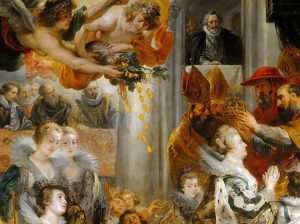
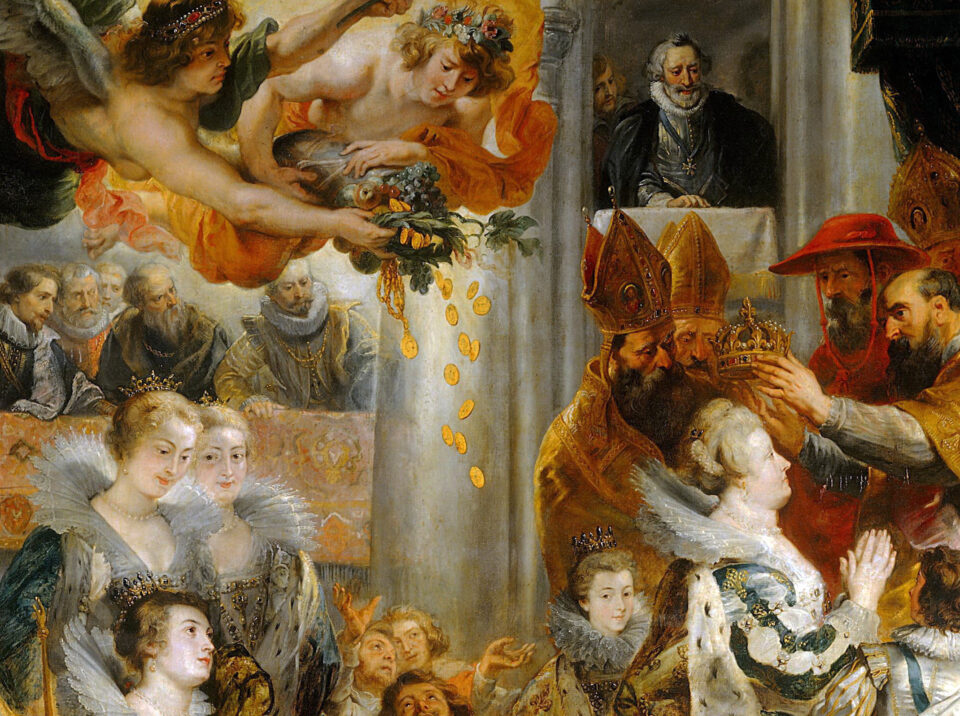
Peter Paul Rubens, Le Couronnement de la reine à l’abbaye de Saint-Denis, le 13 mai 1610, élément du Cycle de Marie de Médicis, 1622-1625. Pigments et or à l’huile sur toile, 394 x 727 cm. Paris, musée du Louvre (détail).
Séminaire AORUM : « Le foyer anversois au XVIIe siècle », avec Christine Göttler (Paris, INHA, 2 juin 2026)
de 16h à 18h30 (salle Benjamin)
Séance initialement prévue le 16 décembre 2025, reportée au 2 juin 2026.
Au XVIIe siècle, les foyers artistiques des Flandres et des Provinces-Unies sont le lieu de nouvelles . . . → En lire plus
Posté par Centre Dominique-Vivant Denon, le 29 mai 2026;
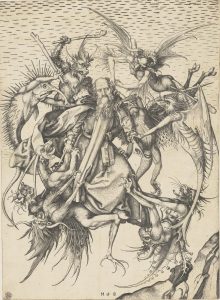
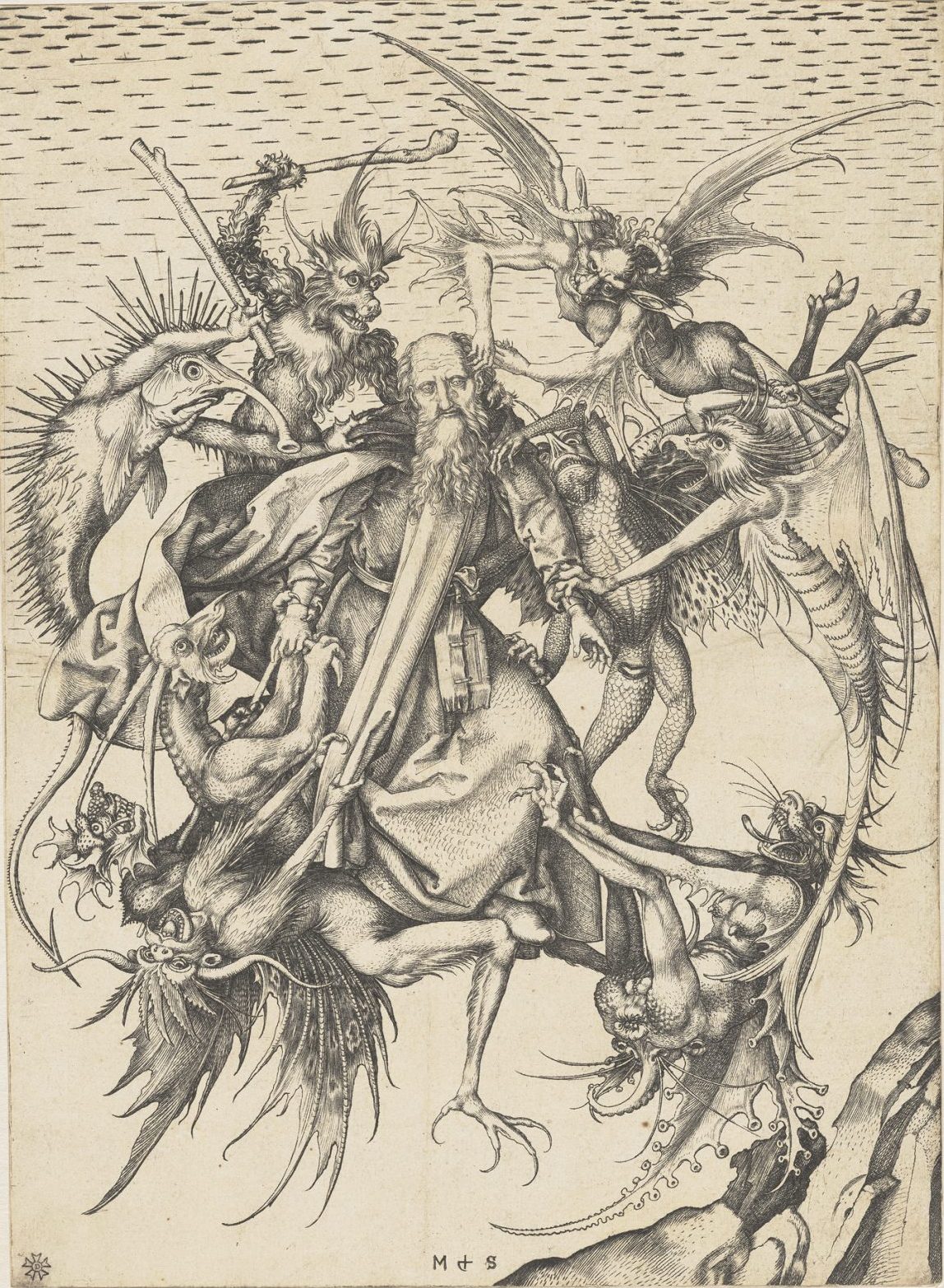
Martin Schongauer (1440 – 1445-1491), Saint Antoine tourmenté par les démons, burin, musée du Louvre, 216 LR/ Recto © GrandPalaisRmn (Musée du Louvre) / Gabriel de Carvalho
Quelles solutions architecte, graphiste et chargé de médiation de l’exposition ont-ils adopté face à des œuvres hétérogènes, allant du relief gravé sur une coquille de quelques centimètres à la peinture sur bois de plus de deux mètres ?
Avec Hélène Grollemund, commissaire de l’exposition, Perrine Villemur, architecte-scénographe, Donato di Nuno, graphiste et Sophie Girard, chargée de projet médiation culturelle, musée du Louvre.
Informations pratiques
Vendredi 3 . . . → En lire plus
Posté par Centre Dominique-Vivant Denon, le 29 mai 2026;
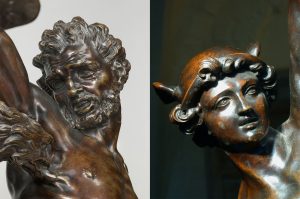
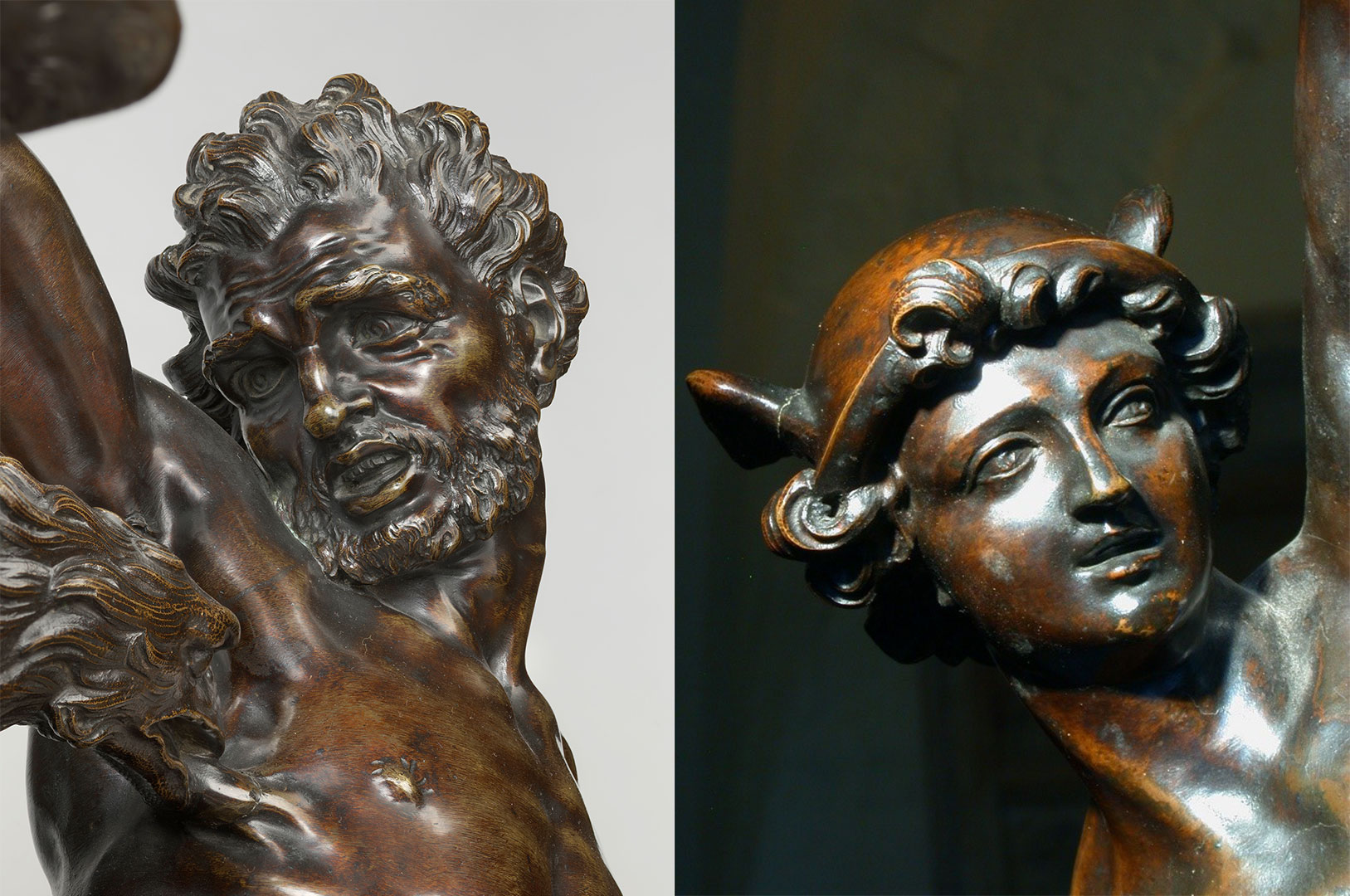
François Dumont (vers 1687-1726), Promethée, 1710, bronze (détail) ; Philippe Bertrand (1663-1724), Mercure et Psyché, 1704, bronze (détail)© Royal Collection Enterprises Limited 2026, Royal Collection Trust
Conférence à l’occasion de la sortie de l’ouvrage de Jonathan Marsden European Sculpture in the Collection of His Majesty The King, aux éditions Modern Art Press, 2025.
La sculpture française constitue l’un des plus grands atouts — mais aussi l’un des moins connus — des collections royales britanniques. C’est le sculpteur et fondeur français Hubert Le Sueur (v. 1580-1658) qui introduisit dans les palais et les jardins . . . → En lire plus
Posté par Matthieu Fantoni, le 27 mai 2026;
- Date et lieu de la journée d'études : Vendredi 6 novembre 2026, Paris, Musée Bourdelle
- Date de remise des candidatures : 26 juin 2026
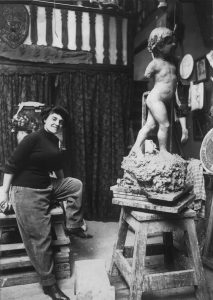
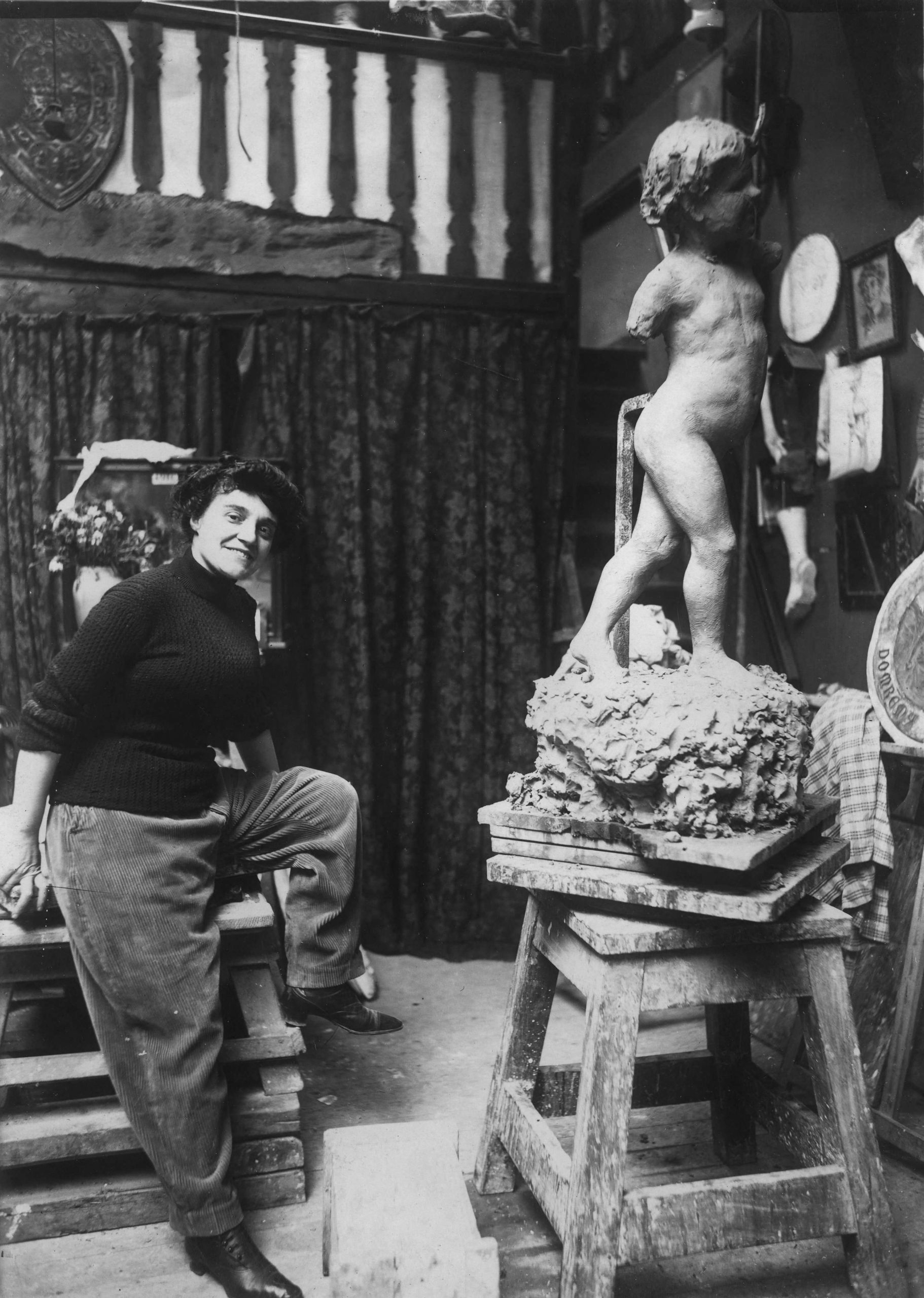
Suzanne Bizard (1873-1963), sculptrice française, Suzanne Bizard dans son atelier, s.d. © Albert Harlingue – Roger-Viollet
« […] Maintenant chez le peintre, la misère est la base fondamentale du costume. Plus de costumes du Moyen Âge, plus de chapeaux pointus et presque plus de cheveux longs. Les rapins excentriques n’existent que dans les vaudevilles. On ne voit aujourd’hui au Louvre que chapeaux hors d’âge […] et souliers qui font trembler leurs propriétaires à la moindre pluie. Ou bien on remarque des peintres qui ont des habits honnêtes, et des . . . → En lire plus
|
Équipe Rédacteur en chef : Olivier Bonfait.
Rédacteurs : Elliot Adam (Moyen Age) ; Nicolas Ballet (XX-XXIe siècles) ; Matthieu Fantoni (musées) ; Antonella Fenech Kroke (bourses) ; Vladimir Nestorov (Lettre mensuelle)
Administrateur web : Matthieu Lett.
ancien éditeur : Pascale Dubus
anciens rédacteurs : Gautier Anceau, Sébastien Bontemps, Damien Bril ; Sébastien Chauffour ; Ludovic Jouvet ; Aude Prigot
|
 Les commentaires sont clos